
A-brands, competitive prices
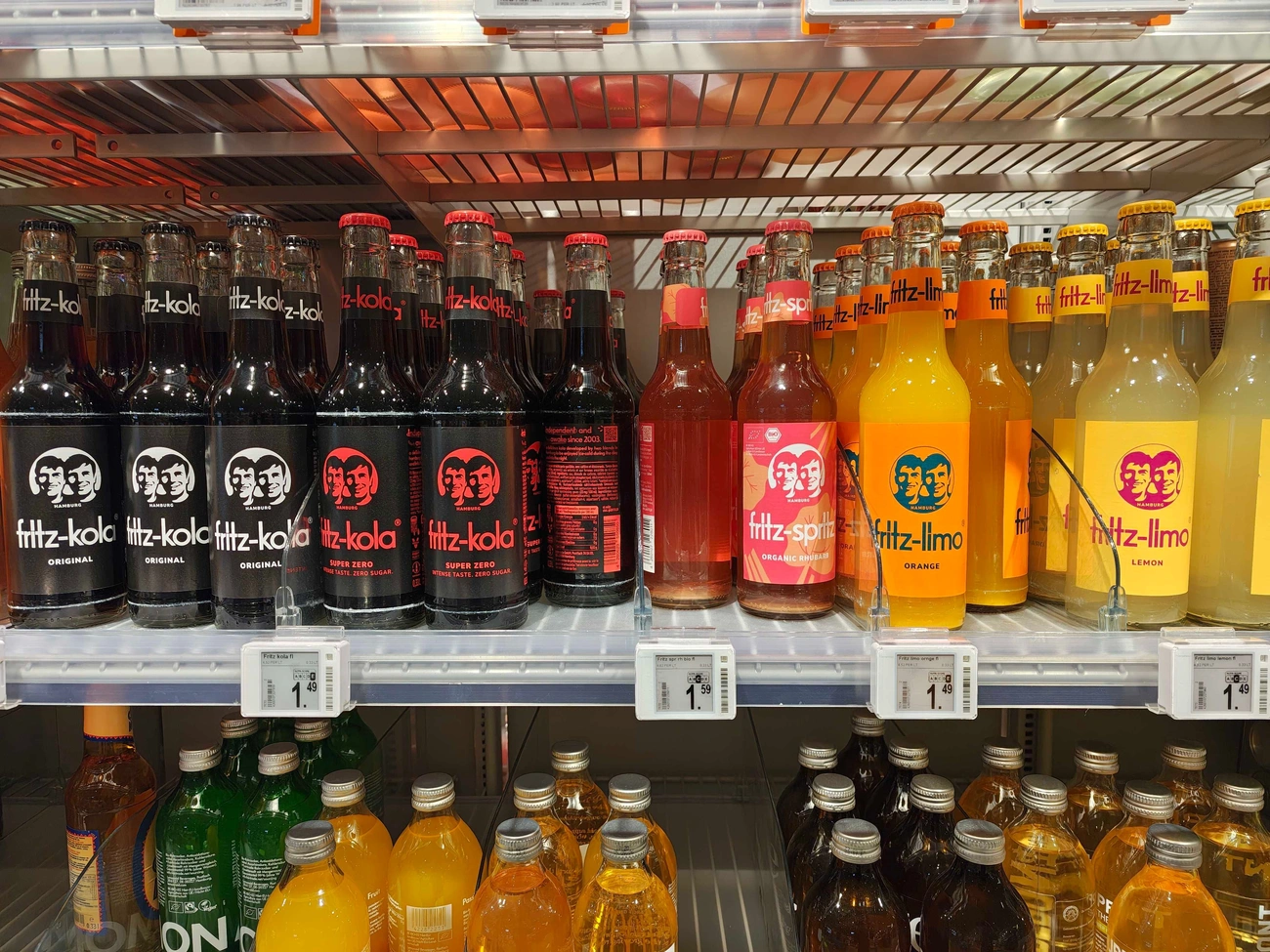
Soft drink trends are shifting radically: the consumption of sugary drinks among adults has fallen by 36% over the last 15 years. At the same time, demand for premium sodas, sugar-free alternatives and ready-to-drink cocktails is growing explosively. The trends and developments in the soft drink industry are partly driven by the expectation that the global beverage market will reach $141.9 billion by the end of 2024. This article offers hospitality entrepreneurs, retailers and wholesalers concrete insights into 12 fastest-growing soft drink brands, particularly focused on soft drink trends that are directly applicable for assortment choice, inventory planning and margin optimization.
What are fastest-growing soft drink brands and why are they important?
DEFINITION OF FASTEST-GROWING SOFT DRINK BRANDS
Fastest-growing soft drink brands are products that realize significantly higher revenue and market share growth than the industry average. The soft drink industry continuously develops new products in which health aspects are central. The assortment has expanded enormously in recent years: from regular sugary variants to light, zero, functional drinks and botanical alternatives. Light and zero soft drinks grew from an 18% market share in 2000 to 31% today. This shift resulted in 12% fewer calories per capita from soft drinks since 2000.
Functional drinks with health benefits are growing strongly: protein shakes, kombucha with probiotics, flavored water with vitamins and nootropic sparkling water. Consumers seek refreshment combined with specific benefits such as focus, vitality or digestion. In addition, the non-alcoholic movement is gaining ground, particularly among Gen Z, which brings ready-to-drink mocktails and premium non-alcoholic alternatives to the fore.
MARKET RELEVANCE FOR HOSPITALITY AND RETAIL
Fastest-growing soft drink brands offer concrete commercial opportunities. In hospitality, 53% of all chosen drinks consist of (sugar-free) soft drinks. Moreover, 65% of beverage choices by guests are influenced by the menu. Add to that the low handling costs and strong margin, and the importance of assortment choice becomes immediately clear.
Retailers benefit from growing variety: consumers drank an average of 4.8 types of soft drinks in 2011, in 2015 this rose to 5.4 different types. A third have at least 2 types in stock at home, 17% even 4 or more. This diversification creates sales opportunities for brands that respond to specific needs: sugar-free, functional, sustainable or premium.
TRENDS AND DEVELOPMENTS IN THE SOFT DRINK INDUSTRY
Health dominates the soft drink trends: 96% of all Dutch people drink soft drinks, of which 30% choose light variants. Sugar-free alternatives such as Coca-Cola Zero and Pepsi Max are growing while regular variants decline. Red Bull Sugar Free rose by 0.7% in numerical distribution while regular Red Bull fell by 1%.
The sugar tax influences prices with increases of 9 to 26 cents per liter. Soft drinks such as bitter lemon, cola, ginger ale, iced tea and tonic rose by an average of 5% between October 2023 and January 2024. Ginger beer is gaining ground with 5.8% more hospitality establishments offering it than a year earlier. Regional differences are striking: Drenthe shows 81% numerical distribution of standard soft drinks, while Groningen reports the lowest consumption.
Something & Nothing: Premium botanical soft drinks
WHAT MAKES SOMETHING & NOTHING UNIQUE
Something & Nothing combines natural ingredients with sharp brand positioning. The London brand was founded in 2017 by Oliver Dixon and Rupert Pugsley after they noticed that the soft drink market offered few adult alternatives. The premium sodas contain only natural juices, extracts and botanicals without added sugars or sweeteners. Each can contains grape and lemon juice as a base, supplemented with plant extracts for layered flavors.
The minimalist can design stands out immediately in full cooling sections, according to Dixon. The packaging consists of 68% recycled aluminum and is packed without plastic. The brand carries B Corp certification, which fits the growing demand for sustainable soft drink brands in retail.
WHY SOMETHING & NOTHING REMAINS POPULAR IN 2026
The revenue of £3 million is 55% generated in the US, where the brand has been active since 2020. In the Netherlands, distribution started in March 2024 with 400 Albert Heijn stores, expanded to 1,200 stores in May 2024. Jumbo also added the assortment to their shelves. In the US, Whole Foods sells the brand in more than 260 stores.
Something & Nothing raised £2 million in funding in 2024 to accelerate expansion, particularly in the US and the Netherlands. The revenue forecast amounts to £20-30 million within three to four years. The brand deliberately positions itself outside the seltzer category by offering full flavor instead of flavorless zero-calorie variants.
HOW RETAILERS DEPLOY SOMETHING & NOTHING SMARTLY
Retailers can deploy the brand as a premium alternative with a strong margin. The price varies from €1.75 per can in the Netherlands to €2.86 in the US. The product fits the mixology trend: the cucumber flavor combines with tequila and sea salt, while other variants enable vodka mixes.
Hospitality can position Something & Nothing as a non-alcoholic alternative and as a mixer for premium cocktails. The brand also offers 4% ABV spritzes based on French wine and Japanese sake, which creates further consumption moments.
VARIANTS AND PACKAGING
The Dutch assortment includes Yuzu, Hibiscus & Rose and Cucumber in 330ml cans. New flavors such as Pineapple & Pink Grapefruit, Ginger & Lime, Orange & Mandarin and Sicilian will follow soon. Dixon announced expansion from 3 to 8 flavors. The spritzes are available in 11-ounce cans.
Mojo Maté: Plant-based energy soft drink
WHAT MAKES MOJO MATÉ UNIQUE
David Damman and Lars van Kranenburg started Mojo Maté in 2022 after a backpacking trip through South America where they discovered yerba mate. The Dutch brand produces organic soft drinks with organic yerba mate from a 100% regenerative plantation in Brazil. The mate leaves grow in the shade of the original forest without chemical treatments and are hand-picked. As a result, the brand supports biodiversity instead of monoculture mass production.
Each can delivers the same caffeine as a cup of coffee, but contains only 20 kcal per 100ml. The sugar content remains limited to 4.5g per 100ml. The sparkling drink has a mild, unroasted mate flavor that is more accessible than the smoky variants of other brands. Mojo Maté is 100% plant-based, organic, vegan and gluten-free.
WHY MOJO MATÉ REMAINS POPULAR IN 2026
Within two months of launch, 20+ hospitality establishments in Amsterdam and surroundings served the brand. Popular locations such as Strandzuid, Karavaan and Skatecafe added Mojo Maté to their assortment. From the end of 2024, the product became available at PLUS supermarkets throughout the Netherlands. The demand for non-alcoholic alternatives and natural energy drinks without artificial additives drives the growth.
The brand buys mate directly at the source, which guarantees fair wages and good working conditions. This transparency appeals to conscious consumers. In addition, Mojo Maté positions itself as a non-alcoholic drinks option for terraces.
HOW RETAILERS DEPLOY MOJO MATÉ SMARTLY
Retailers can deploy Mojo Maté as a Dutch alternative to international mate brands. The product functions as a replacement for standard energy drinks and coffee during social moments. The low calorie value and organic certification fit health-oriented shoppers.
Hospitality uses the brand for after-work drinks moments and as a non-alcoholic option at drinks. The colorful packaging attracts attention on menus and in refrigerators.
VARIANTS AND PACKAGING
Mojo Maté offers two flavors: Original and Passionfruit (Maracuja). Original has the authentic mate flavor, while Passionfruit adds cheerful vibes for the whole year. The assortment is available in 250ml and 275ml cans.
Herbly: Functional herbal drinks
WHAT MAKES HERBLY UNIQUE
The Rotterdam brand Herbly introduces functional herbal drinks inspired by Ayurvedic philosophy and its three doshas. Ayurveda is a traditional medical system from India that strives for natural balance in the body. Herbly translates this age-old knowledge into modern soft drinks that are 100% organic, vegan and free of artificial sugars or sweeteners. The tea-based drinks are rich in nutrients and contain only 15-20 kcal per 100ml.
Each can is developed for a specific dosha: Vata offers a warming mix of apple, mango, turmeric and ginger for breathing and heart rhythm. Pitta combines mint, cherry, grape and orange for a cooling effect on digestion and body temperature. Kapha contains apple, peach, apricot and beetroot to support skin and joints. On each can there is a QR code that leads to a dosha test, allowing consumers to discover their dominant dosha.
WHY HERBLY REMAINS POPULAR IN 2026
Functional drinks with health benefits are growing strongly within the soft drink trends. Herbly positions itself as a healthy alternative to regular soft drinks with carefully chosen ingredients. The sweet taste comes entirely from fruit and natural ingredients without added sugar. Roosmarijn Saat of organic supermarket Gimsel Rotterdam included the brand from the start: "Careful thought has been given to the ingredients."
HOW RETAILERS DEPLOY HERBLY SMARTLY
Hospitality entrepreneurs buy Herbly at Sligro and Hanos. Retailers such as Gimsel Rotterdam link the brand to yoga classes and conscious nutrition choices. Bistro Brouw uses it as a lunch option where guests appreciate the natural fruit flavor. The product functions as a non-alcoholic alternative with functional benefits, fitting the sober lifestyle movement.
VARIANTS AND PACKAGING
Herbly offers three flavors in 250ml cans. Vata contains 0.2% turmeric juice and 0.1% ginger juice with 3.6g of sugar per 100ml. Pitta and Kapha follow comparable recipes with specific herbs per dosha type.
De Roze Bunker: Upcycled syrups and lemonades
WHAT MAKES DE ROZE BUNKER UNIQUE
The Fruitslagers of Roze Bunker tackle problems in the food industry by processing surplus fruit and fresh herbs into concentrated syrups. The collective started during Dutch Design Week 2016 and developed soft drink as a solution for transport volume and plastic use. By not adding water before transport, you get a whole crate of soft drink from one bottle of syrup. This approach significantly reduces transport volume and lowers CO2 emissions per liter of end product.
The brand works together with regenerative farmers and annually plants elderflower and wild herbs that enrich biodiversity. In 2023, the Fruitslagers planted at least 4 hectares of biodiversity for Bloesem Power and Wilde IJsthee. In addition, they process 36,000 kilos of peeled lemons from the limoncello industry for Citrus Movement. The collaboration with Peelpioneers ensures processing of citrus peels that would otherwise be lost.
WHY DE ROZE BUNKER REMAINS POPULAR IN 2026
The syrup concept fits the circular economy trend within the soft drink trends. Retailers appreciate the efficient storage: one bottle delivers 24 to 28 servings. The syrups contain only half to two-thirds the sugar compared to common soft drinks. After opening, the product keeps for 8 weeks when refrigerated, which lowers inventory risks.
HOW RETAILERS DEPLOY DE ROZE BUNKER SMARTLY
Hospitality uses the syrups for soft drinks, cocktails and mocktails, which creates multiple consumption moments. The 5-liter bag-in-box costs €70 and offers a strong margin with professional use. Retailers price individual bottles between €9 and €15. The tap-water mixing concept (1 part syrup to 7 parts water) lowers handling and transport costs.
VARIANTS AND PACKAGING
The assortment comprises seven flavors: Lady Rhubarb, Citrus Movement, Wilde IJsthee, Gekke Bessen, Madame Gember, Dhr. Peer and Bloesem Power. Each product tells a story about local cultivation or residual stream processing. The packaging varies from consumer bottles to 5-liter bag-in-box for hospitality.
BACARDÍ & Coca-Cola RTD: Ready-to-drink revolution
WHAT MAKES BACARDÍ & COCA-COLA RTD UNIQUE
Bacardi Limited and The Coca-Cola Company are joining forces from January 1, 2026 for a ready-to-drink variant of their classic combination. The collaboration brings back the Cuba Libre, a cocktail that originated in Havana more than 125 years ago when BACARDÍ rum, Coca-Cola and lime were first mixed. The product offers the same recognizable flavor profile as the handmade version, but ready-to-use for at home or on the go.
The packaging shows two of the world's most recognizable brands: BACARDÍ (founded in 1862) and Coca-Cola (launched in 1886). This brand recognition lowers the threshold for hospitality and retail to purchase the product.
WHY BACARDÍ & COCA-COLA RTD REMAINS POPULAR IN 2026
Rum & Cola has been among the top 10 most requested cocktails for six years in a row according to the annual Bacardi Cocktail Trends Report. Tim Geelen, Senior Marketing Manager Alcohol RTD at The Coca-Cola Company, states that the product aligns with the growing demand for premium pre-mixed drinks. Roland van Buchem of Coca-Cola Europacific Partners Nederland emphasizes that the combination offers retail and hospitality a welcome addition to the premium alcoholic RTD segment.
HOW HOSPITALITY DEPLOYS BACARDÍ & COCA-COLA RTD SMARTLY
Hospitality benefits from zero handling costs: no mixing, no inventory of separate ingredients. The 250ml can serves chilled as a quick drinks option. Robin de Bruijn, Brand Director BACARDÍ, confirms that consumers appreciate combining the convenience of RTDs with the familiar BACARDÍ & Coca-Cola flavor. Moreover, the product eliminates waste through over-pouring and increases revenue speed during peak hours.
VARIANTS AND PACKAGING
The BACARDÍ & Coca-Cola RTD comes in 250ml cans with 5% alcohol. The product contains white rum with cola flavor and a hint of lime. Packaging shows clear 18+ symbols in accordance with the responsible marketing guidelines of both companies.
Kombucha: Fermented health booster
WHAT MAKES KOMBUCHA UNIQUE
Kombucha arises through fermented tea in which a symbiotic culture of bacteria and yeast (SCOBY) converts sugar into acids, vitamins and carbonation. The fermentation process takes 7 to 21 days and produces a naturally sparkling drink with a fresh, slightly sour taste that resembles apple cider. The SCOBY consumes almost all added sugar, leaving the end product with 6-10g of sugar per 100ml. The alcohol percentage fluctuates between 0 and 2% through natural fermentation.
During fermentation, probiotics, organic acids, antioxidants and B vitamins arise that support the gut flora. Black or green tea forms the base, with polyphenols serving as nutrients for bacteria and yeasts. With longer fermentation (20+ days), kombucha even transforms into vinegar through acetic acid fermentation.
WHY KOMBUCHA REMAINS POPULAR IN 2026
The European kombucha market reached €905 million in 2025 with 13.4% annual growth. Worldwide, the market rises from USD 2.68 billion in 2026 to USD 8.43 billion in 2034, with a CAGR of 21.3%. Strikingly, 60% of Europeans do not yet know kombucha, but 85% of this group would like to try it. Health benefits remain the primary purchase driver at 42%, while taste rises to 31%.
Hard kombucha reached €55 million in Germany alone and grows by 40-45% annually. In addition, 76% of Europeans actively seek sugar reduction, which positions kombucha as a functional alternative within the soft drink trends.
HOW RETAILERS DEPLOY KOMBUCHA SMARTLY
Retailers such as Albert Heijn offer various kombucha brands between €1.69 and €2.39 per 250-330ml. Batu Kombucha delivers variants in different flavors and packaging for retail and hospitality. The combination of taste, light carbonation and natural ingredients aligns with conscious consumers. Hospitality uses kombucha as a non-alcoholic alternative during lunch and drinks.
VARIANTS AND PACKAGING
Mediterranean profiles (hibiscus-pomegranate) perform in Southern Europe, while Nordic flavors (blueberry-spruce, elderberry) are strong in Scandinavia. Dutch brands offer ginger-turmeric, strawberry-blueberry and passionfruit-mango in 250-330ml cans and bottles.
Botanical pairings: Fine dining without alcohol
WHAT MAKES BOTANICAL PAIRINGS UNIQUE
Fine dining restaurants are discovering botanical drinks as a full-fledged alternative to wine pairings. Rody Misseyer, sommelier at two-star restaurant De Nieuwe Winkel in Nijmegen, deliberately chose this field: "I became a sommelier in botanical drinks because this world is much larger than that of wines or beers. There are no limits to our imagination." De Nieuwe Winkel serves, for example, a drink with smoked lemon thyme, pear juice from a local orchard and Dutch smoked tea, combined with lightly smoked tempeh.
The restaurant uses crystal wine glasses for botanical pairings to emphasize equality with wine. These techniques range from fermentation and vacuum distillation to enzymatic clarification. Shrubs, sweet-and-sour syrups developed in the cocktail world, offer a way to process leftovers from garden or kitchen.
WHY BOTANICAL PAIRINGS REMAIN POPULAR IN 2026
Anita Hagendorn, juice sommelier at Flores in Nijmegen, confirms: "There are dishes where I prefer a 'juice' pairing over a glass of wine, even though I am trained as a wine sommelier." The aperitif sets the tone for the menu, which is why Hagendorn developed a dahlia kombucha with chamomile and elderleaf shrub from the siphon.
Amsterdam now counts several star restaurants with non-alcoholic pairings. SHOWW Amsterdam has offered non-alcoholic drink arrangements since its Michelin star. Restaurant VanOost combines a main ingredient with a non-alcoholic pairing each season. RIJKS has 12 non-alcoholic options on the wine list with full pairing possibilities.
HOW HOSPITALITY DEPLOYS BOTANICAL PAIRINGS SMARTLY
Price the botanical pairing equal to wine pairings to demonstrate quality. Offer welcome drinks to make guests curious, as El Invernadero does with mead. BAK serves four matching non-alcoholic glasses with homemade kombuchas and juices alongside an eight-course menu.
VARIANTS AND APPLICATIONS
Consider mixed 'low' pairings alongside fully non-alcoholic arrangements. Choux ferments its own juices and kombuchas with complex flavors comparable to wine. VanOost and BonBoon work with tea sommelier Mariëlla Erkens for special tea pairings.
AI-developed soft drinks: Innovation of the future
WHAT MAKES AI SOFT DRINKS UNIQUE
Artificial intelligence simulates thousands of recipes in seconds where human teams need months. Machine learning models process ingredient databases and consumer data to optimize recipes for taste, texture, nutritional value and cost. Belgian scientists collected data from 250 beers with 200+ chemical properties per product, after which AI models predicted which flavors perform best. Tasters then preferred the AI variants over existing products.
WHY AI SOFT DRINKS REMAIN POPULAR IN 2026
Development cycles shorten from 1-2 years to 1 month through AI analysis. Hell Energy launched the first fully AI-developed energy drink in 60+ countries, where even digital tasting took place. Coca-Cola used AI for Y3000 Zero Sugar by asking consumers which flavors they associate with the future, after which AI developed flavor profiles. The flavor profile contains 85-90% cola with 10-15% deviation.
HOW BUSINESSES DEPLOY AI SOFT DRINKS SMARTLY
AI detects trends via social media and sales data, allowing retailers to respond faster to demand. In addition, AI helps with packaging design and marketing campaigns. Coca-Cola invested $1.1 billion in Microsoft Cloud and Azure OpenAI Service for product development and supply chain optimization.
EXAMPLES AND APPLICATIONS
Vivi Kola developed Vivi Nova in two days with ChatGPT and Midjourney. The Swiss brand contains 3.5% cane sugar with chokecherry berry juice.
Sugar-free premium soft drinks: Health meets taste
WHAT MAKES SUGAR-FREE PREMIUM SOFT DRINKS UNIQUE
Sugar-free soft drinks completely replace sugar with sweeteners such as aspartame (E951) and acesulfame-K (E950), which are 200 times sweeter than sugar but deliver virtually no calories. Light variants contain at least 30% less sugar than regular soft drinks, while zero products guarantee zero sugar. Coca-Cola Zero Sugar combines multiple sweeteners to approach the original taste, while light uses only one sweetener. Brands such as Coca-Cola, Red Bull, Pepsi Max, Fanta Orange Zero and Lipton Ice Tea Green Zero form the assortment.
WHY SUGAR-FREE SOFT DRINKS REMAIN POPULAR IN 2026
Health determines 53% of all beverage choices in hospitality as (sugar-free) soft drinks. Moreover, 80% of Dutch people consciously choose light or sugar-free variants for the sake of a healthier lifestyle. Coca-Cola Zero is growing strongly: since 2019, 52% of all Pepsi sales consist of the 0% sugar Pepsi Max variants. The European Food Safety Authority (EFSA) regularly checks sweeteners for safety.
HOW RETAILERS DEPLOY SUGAR-FREE SOFT DRINKS SMARTLY
Menus influence 65% of guest choices, which is why product images work 10 to 20 times more effectively than text alone. Coca-Cola Zero Sugar is the frontrunner on terraces. Retailers benefit from low handling costs and strong added value. Royal Bliss Signature tonic water, ginger ale and ginger beer function excellently in cocktails and mocktails.
VARIANTS AND PACKAGING
The assortment comprises Coca-Cola Zero in crates of 24x33cl bottles and 12x1 liter, Red Bull Sugar Free in 24x25cl cans, Seven Up Free in 24x33cl, plus Fanta Orange Zero Sugar and Fuze Tea blueberry lavender no sugar.
Non-alcoholic mocktails RTD: Sober lifestyle movement
WHAT MAKES NON-ALCOHOLIC MOCKTAILS UNIQUE
Mocktails are non-alcoholic cocktails that are not inferior to alcoholic variants in terms of taste and presentation. The term 'mock' suggests imitation, but the flavor profiles contain natural flavorings and botanical extracts that offer sophistication. Creative ingredients such as ginger and chili deliver the 'alcoholic' kick in whiskey-ginger combinations, while bitterwood and gentian root add complexity to spritz variants. The sober-curious phenomenon drives demand: people explore life without alcohol to feel more energetic and more present.
WHY NON-ALCOHOLIC MOCKTAILS REMAIN POPULAR IN 2026
One in five cocktails sold is now non-alcoholic. Gen Z lives more consciously and healthily, which makes this lifestyle structural. Moreover, guests are willing to spend money if the product is of strong quality and looks visually appealing. Retailers and hospitality are expanding their selection of non-alcoholic drinks, supported by alcohol-free social events.
HOW HOSPITALITY DEPLOYS NON-ALCOHOLIC MOCKTAILS SMARTLY
Prices vary between €5.00 and €10.00, comparable to regular cocktails. In addition, mocktails deliver better margins because there is no excise duty on them. Make separate choice menus at checkouts with ingredient lists so that staff can make guests enthusiastic. Presentation with beautiful garnishes and unique glassware increases the value.
VARIANTS AND PACKAGING
RTD mocktails from brands such as ISH and Highball offer ready-to-use solutions. Variants include virgin mojitos, beer mocktails and non-alcoholic gin and tonics. Serve directly from the can or present in cocktail glasses with fresh garnish.
Protein shakes and functional smoothies: Performance drinks
WHAT MAKES FUNCTIONAL SMOOTHIES UNIQUE
Protein drinks deliver 15-25g of protein per serving in ready-to-drink formats without shakers or mixing. These ready-to-use solutions fit active consumers who want to consume protein on the go, at work or immediately after training. Clear whey drinks offer a light, juice-like consistency instead of a thick, milky texture, making them more refreshing during or after exercising. Smoothies combine pureed fruits and vegetables with additions such as yogurt or protein powder that delivers over 20 grams of protein per scoop. Vegetables provide powerful nutrients and remain low in calories.
WHY FUNCTIONAL SMOOTHIES REMAIN POPULAR IN 2026
Post-workout consumption remains popular because protein contributes to muscle mass retention, while the drinks function between meals or as breakfast. Smoothies provide energy and improve health through fiber, vitamins and antioxidants. Freshly prepared smoothies contain vitamin C and fiber comparable to fruit.
HOW RETAILERS DEPLOY FUNCTIONAL SMOOTHIES SMARTLY
Store protein drinks chilled for quick post-workout options or position on desks for afternoon boosts. Smoothies work as breakfast, lunch or a snack.
VARIANTS AND PACKAGING
Packaged smoothies in bottles or cartons contain lower nutrient levels than fresh variants. Protein drinks come in 250ml formats.
Sustainable local soft drink brands: Circular economy
WHAT MAKES SUSTAINABLE LOCAL BRANDS UNIQUE
Packaging choices directly determine the environmental impact of soft drinks. Large PET bottles cost about 100 grams of CO2 per liter of soft drink, while tap water emits only 1 gram of CO2. Single-use glass bottles perform the worst due to heavy weight and energy-intensive recycling. Organic brands use fruit without chemical pesticides or fertilizer, with Oggu using 50% recycled plastic where other brands stay well below this percentage.
WHY SUSTAINABLE BRANDS REMAIN POPULAR IN 2026
The deposit system now recovers 84% of plastic bottles and 86% of cans in the chain. In addition, litter is falling by 80%. A growing portion of PET bottles consists of recycled material (rPET), which reduces new raw materials. Consumers consciously seek organic options within the soft drink trends.
HOW BUSINESSES DEPLOY SUSTAINABLE BRANDS SMARTLY
Postmix BiB systems significantly reduce transport volume by transporting concentrated syrups instead of pre-filled bottles. The cardboard and plastic are recycled separately for reuse. Dutch brands such as Wilder Land, Soof, Gimber and Searoop offer local alternatives with shorter transport chains.
VARIANTS AND PACKAGING
Searoop produces organic syrups from Zeeland with 50% less sugar. Gimber delivers organic ginger-based elixirs. Belvoir runs partly on solar energy and aims for climate neutrality in 2035.
Common mistakes in purchasing and selling growing soft drink brands
ASSORTMENT CHOICE MISTAKES
Buyers often select brands without alignment with their target group. Wholesalers differ in their assortment of brands, flavors and healthier options. Specifically for hospitality, cola, ice tea, orange soda, cassis and lemon are considered the most popular soft drinks. Retailers who purchase niche brands without covering this base miss revenue. In addition, sustainability calls for selection of wholesalers with environmentally friendly packaging and working methods.
PRICING AND POSITIONING CHALLENGES
Quality control remains a risk: The Coca-Cola Company recalled 4 million cans and glass bottles due to excessively high chlorate content. The water treatment in the production process caused the problem. Such incidents directly influence pricing and brand trust.
INVENTORY AND DISTRIBUTION PROBLEMS
Distribution disruptions lead to revenue loss. Coca-Cola received wrong shipments delivered since April as a result of disruptions. Moreover, warm weather caused extra demand for soft drinks. A Belgian sister company had to process orders until the location in Dongen got things under control again. Minimum order quantities and inventory management options determine costs and time.
COMPARISON TABLE: 12 FASTEST-GROWING SOFT DRINK BRANDS IN 2026
Brand/CategoryUnique FeaturesKey IngredientsHealth BenefitsPrice & PackagingDistribution NLTarget Group & ApplicationGrowth Indicators
| Something & Nothing | Premium botanical soft drink, B Corp-certified, 68% recycled aluminum | Grape and lemon juice, natural botanicals, no added sugars or sweeteners | Natural ingredients, sugar-free | €1.75 per 330ml can | 1,200 Albert Heijn stores, Jumbo | Hospitality as mixer and non-alcoholic alternative, retail premium segment | Revenue £3 million, 55% from US, forecast £20-30 million within 3-4 years |
| Mojo Maté | Dutch plant-based energy drink, 100% regenerative cultivation, hand-picked | Organic yerba mate from Brazil, 20 kcal per 100ml, 4.5g sugar per 100ml | Natural caffeine (equal to coffee), organic, vegan, gluten-free | 250-275ml cans | PLUS supermarkets nationwide, 20+ hospitality establishments Amsterdam | Non-alcoholic drinks option, coffee alternative for social moments | Within 2 months 20+ hospitality establishments, nationwide PLUS distribution from end of 2024 |
| Herbly | Ayurvedic functional herbal drinks, dosha-based, QR code for dosha test | Tea base with fruit and herbs (turmeric, ginger, mint), 15-20 kcal per 100ml | Support for breathing, digestion, skin and joints per dosha type | 250ml cans | Sligro, Hanos, Gimsel Rotterdam | Conscious consumers, yoga practitioners, lunch in hospitality | Growth within functional drinks segment |
| De Roze Bunker | Upcycled syrups from surplus fruit, concentrated (1:7 ratio) | 36,000 kg peeled lemons, local elderflower, wild herbs | 50-66% less sugar than regular soft drink, 8 weeks shelf life after opening | €9-15 consumer, €70 for 5L bag-in-box hospitality | Retail and hospitality nationwide | Hospitality for soft drinks, cocktails and mocktails, environmentally conscious retailers | 4 hectares of biodiversity planted in 2023, 24-28 servings per bottle |
| BACARDÍ & Coca-Cola RTD | Ready-to-drink Cuba Libre, 125-year-old cocktail, two iconic brands | BACARDÍ white rum, Coca-Cola, lime, 5% alcohol | Convenience, no handling costs | 250ml cans | Retail and hospitality from January 1, 2026 | Hospitality for quick drinks option, home consumption | Top 10 most requested cocktails 6 years in a row |
| Kombucha | Fermented tea with SCOBY, 7-21 days fermentation | Black or green tea, probiotics, organic acids, B vitamins, 6-10g sugar per 100ml | Gut flora support, antioxidants, 0-2% alcohol natural | €1.69-2.39 per 250-330ml | Albert Heijn, various brands such as Batu Kombucha | Conscious consumers, lunch and drinks non-alcoholic | European market €905 million (2025), 13.4% annual growth, worldwide USD 2.68 billion to USD 8.43 billion (2034) |
| Botanical pairings | Fine dining non-alcoholic arrangements, crystal wine glasses, fermentation techniques | Local juices, smoked tea, shrubs, dahlia kombucha, elderleaf | Full-fledged taste experience without alcohol | Priced equal to wine pairings | Star restaurants: De Nieuwe Winkel, SHOWW, VanOost, RIJKS, BAK | Fine dining guests, sober-curious consumers | 1 in 5 cocktails is non-alcoholic |
| AI-developed soft drinks | Machine learning recipe development, 1 month instead of 1-2 years development time | Optimized for taste, texture, nutritional value and cost via AI models | Faster innovation, trend detection via social media | Variable per brand | Hell Energy (60+ countries), Coca-Cola Y3000, Vivi Nova | Tech-savvy consumers, early adopters | Coca-Cola invested $1.1 billion in Microsoft Cloud/Azure AI |
| Sugar-free premium soft drinks | Zero sugar with sweeteners (aspartame E951, acesulfame-K E950), 200x sweeter than sugar | Sweeteners, virtually no calories | Healthier lifestyle, no sugar | 24x33cl bottles, 12x1L, 24x25cl cans | Nationwide distribution all retailers | 80% of Dutch people consciously choose light/sugar-free | 53% of hospitality choices are (sugar-free) soft drink, Pepsi Max 52% of Pepsi sales since 2019 |
| Non-alcoholic mocktails RTD | Sophistication without alcohol, botanical extracts, ginger and chili for 'kick' | Natural flavorings, bitterwood, gentian root | More energetic feeling, more present, Gen Z conscious lifestyle | €5-10 per mocktail | ISH, Highball brands, hospitality broadly | Sober-curious movement, Gen Z, social events | 1 in 5 cocktails is non-alcoholic, better margins (no excise duty) |
| Protein shakes and functional smoothies | Ready-to-drink, 15-25g protein per serving, clear whey juice-like | Protein powder (20g+ per scoop), pureed fruits, vegetables, yogurt | Muscle mass retention, energy, fiber, vitamins, antioxidants | 250ml RTD formats | Retail chilled, sports locations | Post-workout, breakfast, lunch, snack, active consumers | Growth in performance drinks segment |
| Sustainable local soft drink brands | Circular economy, 50% recycled plastic (Oggu), organic fruit | Organic fruit without chemical pesticides, concentrated syrups BiB | Lower CO2 emissions (100g vs 1g tap water), 84% deposit return | Variable, BiB systems for hospitality | Wilder Land, Soof, Gimber, Searoop, Belvoir | Environmentally conscious hospitality and retail, shorter transport chains | 80% less litter, growing demand for organic |
Notes on the table:
Conclusion
The soft drink market is shifting toward sugar-free, functional and sustainable alternatives. These 12 fastest-growing brands clearly demonstrate that health, convenience and premium quality dominate. Essentially, this delivers concrete opportunities for your assortment: strong margins on botanical drinks, zero handling costs with RTD variants and growing demand for non-alcoholic options.
Choose brands that align with your target group and inventory strategy. Notably, sugar-free variants and functional drinks perform significantly better than traditional soft drinks. Test new categories such as kombucha or upcycled syrups to stay ahead. Given these points, fast delivery and broad availability help you retain market share while consumer preferences change.