
A-brands, competitive prices
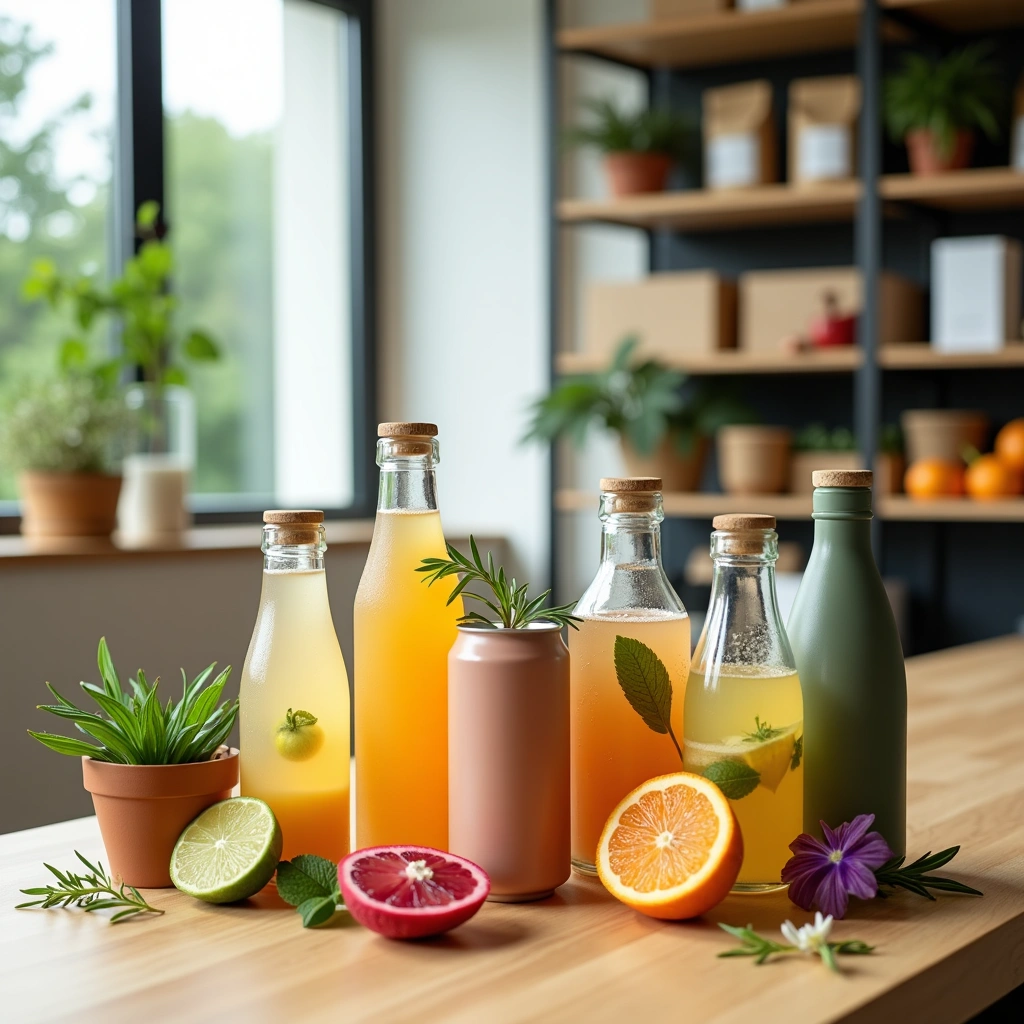
Trends Every Retailer Should Know
12 Soft Drink Trends 2026
The soft drink market is moving fast. Consumers are increasingly making conscious choices around health, sustainability, and new taste experiences. Functional drinks with vitamins, sugar-free variants, and premium ingredients are rapidly gaining ground. Retailers and hospitality entrepreneurs who respond to this with a fresh perspective benefit from better margins and greater customer loyalty.
We've compiled the 12 most important soft drink trends for 2026. Not as theory, but with practical examples and direct applications for your business. This way you can determine for yourself which opportunities best suit your assortment and target audience.
FUNCTIONAL SOFT DRINKS WITH HEALTH BENEFITS
WHAT FUNCTIONAL SOFT DRINKS ARE
Functional soft drinks offer more than just refreshment. These drinks contain added vitamins, minerals, antioxidants, and herbal extracts that support specific functions in the body. From improved digestion to increased energy levels, each ingredient has a targeted effect. The category emerged from the growing demand for healthier alternatives to traditional soft drinks full of sugar and additives.
WHY THIS TREND IS RELEVANT FOR RETAILERS
Mike Boks, general manager of STACH, is seeing strong growth in this category. Their shelf of functional soft drinks now consists of roughly half health-boosting drinks. At the same time, the focus is shifting from ingredients for the body to additives that stimulate the mind. Adaptogens and nootropics — substances that help with stress and mental performance — are rapidly gaining ground.
For you as a retailer, this means higher margins and distinctiveness. Consumers pay premium prices for drinks with demonstrable benefits, leaving you with an attractive margin. In addition, demand for alcohol-free alternatives is growing among conscious consumers, meaning functional soft drinks offer opportunities in both retail and hospitality.
HOW RETAILERS ARE RESPONDING
Retailers are expanding their range across various categories:
Private label development offers additional opportunities. Manufacturers such as De Frisdrankfabriek develop custom functional drinks for hospitality concepts and retail chains, matching brand identity and target audience. This gives you control over both margin and positioning.
PRACTICAL EXAMPLES
TRIP produces CBD soft drinks in flavors such as elderflower & mint and lime & basil. A Trip Lemon Basil helps employees wind down calmly at the end of the day. And what about SquiredCircle Rebalance 001 with natural adaptogens, or Beet Great, which delivers energy from beets? Herbly makes Ayurvedic drinks with turmeric and ginger that fit perfectly with a health-conscious audience.
In hospitality, entrepreneurs are pouring functional soft drinks into wine glasses as a full-fledged alcohol-free alternative. A hotel in Vught serves them as a wine substitute, while bistro bar Hartig in Rotterdam uses them to make mocktails. This raises both the experience value and the average bill. When you can surprise your customers with something new, you can be sure they'll keep coming back.
SUGAR-FREE AND LOW-CALORIE SOFT DRINK VARIANTS
WHAT THIS TREND INVOLVES
Sugar-free and low-calorie soft drinks replace sugar with sweeteners such as aspartame, steviol glycosides, or sucralose. Light soft drinks contain at least 30% less sugar than the regular variant. Zero variants go a step further and contain little or no calories at all. Important to know: the word "light" is an official European nutrition claim, while "zero" has no legal definition. Check labels carefully, so you can always give your customers accurate information.
WHY SUGAR-FREE REMAINS POPULAR IN 2026
The numbers don't lie. Currently, 48% of consumers choose sugar-free soft drinks, up from 41% since 2021. In hospitality, 53% of all drink choices are sugar-free. In addition, the drinks menu influences 65% of all guest choices. These are opportunities you don't want to leave untapped.
Since 2012, the average sugar content in soft drinks has fallen by 38.2%. At Vrumona, 58% of the portfolio now consists of low-calorie drinks under 5 kcal per 100 milliliters. Coca-Cola Europacific Partners Netherlands also reports that more than 50% of their sales volume is sugar-free or low-calorie. The market is clearly moving in one direction.
HOW RETAILERS ARE SMARTLY LEVERAGING THIS TREND
Coca-Cola Zero Sugar dominates on terraces, but variety pays off. Hospitality entrepreneurs are boosting revenue by also offering Fanta Orange Zero Sugar and Fuze Tea Blueberry Lavender No Sugar. The low handling costs and strong margin of soft drinks make expansion commercially attractive. Smaller packaging responds to portion control, with 25cl formats for both sugared and sugar-free products. Second placement, displays, and promotions on zero drinks further capitalize on the growth opportunity. This way, sugar-free becomes not just an answer to consumer demand, but also a direct contribution to your margin.
POPULAR SUGAR-FREE BRANDS AND VARIANTS
And what about the brands leading this movement? Pepsi Max now represents 52% of all Pepsi sales. Royal Club introduced a complete 0% range with Ginger Ale, Tonic, and Bitter Lemon, accounting for more than half of the growth in the bitters segment. Sourcy Vitaminwater became entirely sugar-free, making it the only vitamin water in the Netherlands without added sugar. Coca-Cola released Zero Sugar Zero Caffeine, Fanta launched Tutti Frutti Zero Sugar, and Sprite developed Chill Zero Sugar with mint. Rivella and Crystal Clear offer naturally low-calorie options through fermentation and spring water with natural flavorings, respectively. This way, you can surprise your customers across every flavor, brand, and variant in the sugar-free segment.
SUSTAINABILITY IN PACKAGING AND PRODUCTION
Sustainability is no longer a side issue. It plays an important role in purchasing decisions for 46% of consumers. Another 55% occasionally buys sustainable products consciously, while 29% does so structurally. And 28.9% say they're willing to pay more for more sustainable drinks and packaging. These are opportunities you as a retailer can capitalize on directly.
WHAT SUSTAINABLE PACKAGING MEANS
Sustainable packaging is about circular solutions in which materials are collected, recycled, and reused. Coca-Cola produces bottles from 100% recycled plastic (rPET), so no new plastic is needed. Transport packaging now consists of 96% recycled plastic. The KeelClip™ replaces plastic for cans in supermarkets with a cardboard package. More than 90% of all soft drink bottles fall under deposit packaging schemes, which directly encourages collection and recycling.
Glass bottles in hospitality are refillable packaging that are cleaned and refilled. Aluminum cans can also be recycled infinitely, with the process costing 95% less energy than primary production. Coca-Cola aims to offer one in four drinks in refillable or packaging-free alternatives by 2030.
WHY TRANSPARENCY IS CRUCIAL
Consumers associate sustainability with organic products (54%), seasonal items (48%), and sustainably packaged products (46%). But there's a downside too. As many as 85% sometimes doubt whether sustainability claims on packaging are actually true. Only 34% trust sustainability labels and certifications.
For retailers, this means vague claims do more harm than good. Concrete figures work better. Coca-Cola communicates openly about their 95% collection rate for large PET bottles in the Netherlands. Campaigns such as "Empty is also valuable" directly raise consumer awareness. QR codes on packaging offer you as a retailer opportunities to further increase transparency about origin and environmental impact.
HOW RETAILERS COMMUNICATE SUSTAINABILITY SMARTLY
Successful communication combines facts with stories. Avoid jargon and use stories about the organization to connect emotion with reason. This way, consumers aren't just convinced — they also feel involved in your choices.
EXAMPLES OF SUSTAINABLE INITIATIVES
DS Smith developed the Lift Up solution together with Coca-Cola HBC Austria: a 100% recyclable corrugated cardboard handle that saves 200 tons of plastic annually. This innovation works for various bottle sizes and simultaneously improves the carrying function for consumers. Coca-Cola is also investing in bio-based packaging made from sugar or wood-processing residues instead of petroleum. Since 2006, the company has used recycled PET. In 2021 it reached the milestone of 100% rPET.
This way, sustainability becomes not just a story for the packaging, but a genuine differentiating factor for your assortment.
PREMIUM SOFT DRINKS WITH HIGH-QUALITY INGREDIENTS
Premium soft drinks offer more than refreshment. These products are crafted with natural ingredients such as real fruit, herbs, and flowers. De Frisdrank Fabriek develops craft sodas without additives, sweeteners, or artificial flavorings. Naturfrisk has been producing organic soft drinks free of preservatives and coloring and flavoring agents since 1997. The delicate flavor profile makes these drinks suitable for combining with gin or as a base for refined cocktails.
And what about brands with a rich history? Royal Club has existed since 1939 and positions itself as a soft drink for adults. Schweppes enjoys such prestige that it holds royal warrant status in the United Kingdom. Bundaberg comes from the Australian city of the same name, the epicenter of the sugar cane industry. Fentimans and Fritz-Kola introduce craft colas with flavors that differ significantly from standard soft drinks.
The numbers confirm the growth opportunity. The global market for premium drinks expects annual growth of 9.3% through 2030, building on an increase of 8.2% over the past five years. Notably, 52% of consumers already buy premium non-alcoholic drinks. Millennials aged 18-34 choose premium in 54% of cases, compared to 35% among consumers over 55. In addition, alcohol consumption is structurally declining, leading to higher spending on premium soft drinks as an alternative. This way, premium soft drinks are increasingly becoming a fixed category rather than a niche product.
For retailers, this means higher margins and distinctiveness. Brands that tell authentic stories and use high-quality ingredients stand out in a crowded market. De Frisdrank Fabriek develops products in its own laboratory where flavor and innovation come together, and offers retailers professional POS materials such as menu inserts, counter displays, and branded cooling equipment. Private label development also gives you full control over margin and brand identity. You decide how far you want to go, but the possibilities are there.
The category also proves its value in hospitality. Premium soft drinks work excellently in mixology and food pairing. The natural ingredients and gentle bubbles make them perfect for cocktails or alcohol-free alternatives with character. Hospitality entrepreneurs such as Bistronoom in Woerden serve homemade cola and ginger-orange lemonade. Craft sodas from brands such as Fentimans and Fritz Cola appear at fry shops like Niven's Friet District. When you serve these drinks in wine glasses with garnish, you immediately raise the experience value and the average bill.
ALCOHOL-FREE ALTERNATIVES AND MINDFUL DRINKING
WHAT THE MINDFUL DRINKING TREND INVOLVES
Mindful drinking isn't about total abstinence. Consumers still drink alcohol, but make conscious choices about when and why. Notably, 78% of Gen Z actively alternates between alcoholic and alcohol-free rounds during a single evening. These so-called "zebra stripers" seek complexity and mouthfeel that matches the IPA or Pinot Noir they just drank.
The movement extends beyond Gen Z. Consumers between 35 and 50 are restructuring their consumption without making it a statement of identity. The numbers confirm this too: monthly consumption of alcohol-free beer in the Netherlands rose from 9.6% in 2018 to 16.7% in 2024.
WHY ALCOHOL-FREE OPTIONS ARE POPULAR
The no-low market is growing to €38.17 billion by 2033. Specifically, 51% of 18-25 year-olds drink alcohol-free beverages. Initiatives such as Dry January reach 71% of consumers, with 47% of participants structurally reducing their alcohol consumption afterward.
And what about growth in specific categories? Alcohol-free wine shows the strongest increase, with 21.5% value growth in 2024. For 63% of young people, cocktails are the entry point into the no-low category. Alcohol-free beer now represents 5% of the total beer market in France. This shows that demand is broadly supported, across age groups and categories.
HOW RETAILERS ARE RESPONDING
Retailers are benefiting from zebra-striping and bookending behavior. With bookending, guests start or end alcohol-free and drink alcohol in between, which extends their length of stay. Lunchtime offers extra opportunities for alcohol-free wines and cocktails. This means your guests are served for longer and your average bill rises.
Quality determines success here. Fermentation provides natural acidity and complexity that convinces mindful drinkers. Major players such as Diageo, with its 2024 acquisition of Ritual Zero Proof, and LVMH, with French Bloom, validate the market. Retailers avoid tap-water scenarios: 1 in 4 guests asks for it even though it's not their real preference.
SUCCESSFUL ALCOHOL-FREE CONCEPTS
Brands such as ISH Agave Distillate and Simiaen Sprizz offer complexity that rivals whisky or gin. Noughty Sparkling Chardonnay positions itself as a luxury organic alternative. Dutch concepts such as Rish (fermented kombucha), Botaniets (alcohol-free gin), and The Mocktail Club focus purely on flavor without sugar. Opius produces artisanally, with 400 bottles per batch and a production time of three weeks. This way, you can offer your guests a full-fledged, flavorful alternative that truly fits your concept.
NEW FLAVORS AND EXOTIC COMBINATIONS
WHAT CHARACTERIZES THIS FLAVOR TREND
Flavor experimentation dominates the soft drink shelf in 2026. Coca-Cola releases Fanta Crimson Cherry, a combination of juicy cherry notes with fresh apple accents. Fanta Strawberry Kiwi mixes strawberry with kiwi for a playful fruity flavor. Sprite Chill Zero Sugar adds mint to the familiar lemon-lime flavor for double refreshment. Fuze Tea Green Tea Tropical Passionfruit No Sugar combines high-quality green tea with tropical passion fruit.
And what about exotic flavors such as Fernandes Super Pineapple, popular for years in Suriname and now widely available on Dutch shelves? Royal Bliss Pink Grapefruit mixes pink grapefruit with a subtle spicy hint of mint. Monster Energy is introducing as many as five new flavors, including Juiced Pipeline Punch and Ultra Fantasy Ruby Red.
WHY CONSUMERS ARE EXPERIMENTING
Research shows that 74 percent of consumers enjoy discovering new flavors. You can see this directly in sales figures: a large part of the growth within cola comes from "flavored cola," where consumers buy a flavored cola alongside the regular variant rather than instead of it. This way, the total segment grows rather than flavors cannibalizing each other.
Coca-Cola tested 400 flavors before six were selected for Royal Bliss. That development takes place at the European innovation center in Anderlecht, the second-largest R&D center worldwide. So you can be sure that every new flavor reaching the market has been thoroughly tested and proven.
HOW RETAILERS OFFER FLAVOR DIVERSITY
Retailers are strategically expanding their ranges with limited editions. Fanta Crimson Cherry appears from March to June in a special gaming edition. Coca-Cola Lemon becomes available in a 250ml can format. Finley is introducing six flavors at once, including blood orange-grapefruit and mocktails such as Mojito and Spritz. When you can surprise your customers with this kind of novelty, you can be sure they'll keep coming back.
TRENDING FLAVORS FOR 2026
Tropical combinations are impossible to ignore this year: pineapple-coconut with Tropical Vibes, mango-passion fruit with Fuze Tea. Herbs such as ginger and basil are gaining ground. Floral flavors such as elderflower now appear in multiple products. Fanta Tutti Frutti Zero Sugar offers a mix of fruity flavors with vibrant colors. This way, you can offer the right product for every flavor preference and make your shelf more attractive than ever.
FERMENTATION AND PROBIOTICS IN SOFT DRINKS
WHAT FERMENTED DRINKS ARE
Fermented soft drinks are more than a trend. Fermentation converts sugars into acids, gases, or alcohol via microorganisms such as bacteria, yeasts, and fungi. Fermented soft drinks contain live probiotic bacteria such as Lactobacillus, Bifidobacterium, and Saccharomyces boulardii that colonize the gastrointestinal tract. Kombucha is created by fermenting sweetened tea with a SCOBY, resulting in a lightly sour, sparkling drink. Water kefir is made with water kefir grains, sugar, and flavoring ingredients, producing natural carbonation comparable to champagne. Ginger bug ferments ginger with sugar and water, with yeast from the ginger skin kickstarting the process.
WHY FERMENTATION IS TRENDING
Boks of STACH is seeing strong growth in this category. Water kefir, mate, and matcha now make up about half of their functional soft drink shelf. Floris develops fermented drinks in which healthy bacteria stay alive in the packaging, unlike pasteurized products that kill these bacteria. These live cultures support gut flora and aid nutrient absorption through pre-digestion. In addition, fermented drinks generally contain less sugar, since fermentation converts sugar into vinegar and acids. This way, they naturally replace sugar-rich soft drinks.
HOW RETAILERS ARE INTRODUCING THIS CATEGORY
Retailers are positioning fermented drinks as mature alcohol-free alternatives with a culinary function. Bald Brewer produces juice substitutes and canned soft drinks without sugar but with lactobacilli, where carbonation arises from fermentation rather than being added. Choux developed a fermented coffee-sea buckthorn drink by combining a kombucha base with sea buckthorn purée and lemon thyme. Sometimes this unintentionally results in slightly alcoholic drinks: beet kombucha becomes sparkling due to the sugar- and yeast-rich nature of beets. Christian Weij advises fermenting in plastic bottles for safety and to be able to feel pressure buildup.
PRACTICAL EXAMPLES SUCH AS WATER KEFIR AND KOMBUCHA
Water kefir ferments in 2 to 4 days, considerably faster than kombucha, which takes several weeks. Restaurant Smaakpark serves shrubs, fermented drinks based on vinegar, sugar, and fruit. This way, you can use fermented drinks as a distinctive part of your assortment, offering higher experience value for your customer. When you can surprise your customers with something they won't find elsewhere, you can be sure they'll come back.
MENTAL HEALTH AND ADAPTOGENS
WHAT ADAPTOGENS AND NOOTROPICS ARE
Adaptogens are plant-based substances from herbs and mushrooms that increase resistance to stress and help the body recover. They regulate the stress response and keep cortisol levels balanced. Ashwagandha, an Ayurvedic root, measurably lowers cortisol at doses between 125 and 600 mg per day. Rhodiola rosea grows in Siberia and reduces fatigue and headaches caused by stress. Lion's mane supports cognitive functions such as memory, while Reishi promotes relaxation and immune support.
Nootropics are supplements that support concentration, mental performance, and alertness. Nearly 70% of products for mental sharpness combine claims about energy and alertness.
WHY MENTAL WELLNESS IS IMPORTANT
The 2026 soft drink trends show a clear shift from physical to mental health. According to Maxime Willems, 80% of product development in 2025 focuses on adaptogenic plants and mushrooms with stress-reducing properties. This movement stems from the anxiety economy, in which Millennials and Gen Z actively seek products for self-care and optimization. This way, mental wellness becomes a concrete buying opportunity for retailers looking to refresh their assortment.
HOW RETAILERS SERVE THIS NICHE
Mike Boks of STACH is experimenting with functional drinks but notices that consumers don't yet fully understand the ingredients. He expects demand to break through within a year. Retailers would do well to first list conventional ingredients on packaging before moving on to functional additives. This lowers the threshold for new consumers. The branding uses pastel colors and calm designs, in stark contrast to the bright primary colors of conventional soft drinks. When you can surprise your customers with products they don't yet know, you can be sure they'll keep coming back.
PRACTICAL PRODUCT EXAMPLES
Trip produces a CBD soft drink with elderflower & mint that helps you relax. Recess contains magnesium L-threonate, which stimulates dopamine and serotonin. De Frisdrankfabriek develops Calm with Lion's Mane and white lotus for mental calm. And what about Shroom Relax, which combines coneflower extract and green tea extract for stress reduction? This way, you can offer the right product for multiple mental wellness needs.
PERSONALIZATION AND CUSTOMIZATION OF DRINKS
A signature drink available only at your business attracts customers and binds them to your concept. Personalization turns soft drinks into powerful marketing tools and unique brand experiences. Private label drinks with personalized bottles create distinctiveness for both hospitality and retail. This ranges from a customized label to fully proprietary recipes starting at 500 bottles. Companies develop exclusive flavors where the bottle's shape, color, and design match your brand identity. Stokerij De Moor produces small-scale batches starting at 120 units for companies and associations that don't want to develop their own recipe.
Kolibri also introduced an innovative dosing system in which consumers decide for themselves how much sugar concentrate to add, from 0 to a maximum of 15 ml. This flexibility also avoids the sugar tax, since the sugar is packaged separately.
Customers who feel connected to a brand are more likely to participate in promotions and become brand ambassadors. Personalization significantly increases customer engagement and loyalty. When you can surprise your customers with a drink available nowhere else, you can be sure they'll keep coming back.
Retailers use three levels of personalization:
Restaurants often opt for a house wine, cafés distinguish themselves with their own beer or whisky, brasseries develop a signature aperitif with their own gin. This way, you decide for yourself which margin you achieve and which story you tell your customers.
And what about DIY drink stations at events and in hospitality? These self-service concepts let guests combine flavors and assemble drinks themselves. This turns serving soft drinks into an experience in itself, and you'll notice it directly in the average bill.
WATER COCKTAILS AND PREMIUM WATER EXPERIENCES
WHAT WATER COCKTAILS ARE
Flavored water combines mineral water, fruit juice, and natural flavors into a thirst-quenching drink. Water cocktails go a step further. Fresh ingredients such as fruit, herbs, and spices are infused directly into water, without alcohol or added sugars. A natural 7-Up is created simply by combining lemon, ginger, lime, and mint, which has an anti-inflammatory effect and improves digestion. This way, you offer your customer flavor and experience in one glass.
WHY WATER OFFERS A MARGIN OPPORTUNITY
And what about the market figures behind premium water? 40% of buyers associate premium water with superior purity and safety. In addition, 55% choose premium variants because of nutritional minerals and electrolytes. About 25% select premium brands to complement their status-oriented lifestyle, especially in hospitality.
Furthermore, 30% of companies invest in sustainable packaging to appeal to environmentally conscious buyers. Water consumption isn't seasonal, so you benefit year-round. Smart displays between the food zone and the checkout also encourage impulse purchases. This way, you maintain an attractive margin on water products throughout the year.
HOW RETAILERS UPGRADE WATER
You can easily turn standard water into an experience product. Serve flavored water chilled at lunch or as a refreshing snack. Sparkling water makers with CO2 cylinders let guests compose their own flavors, without sugar or artificial additives. The CO2 cylinders contain natural fruit flavors such as apple, lemon, orange, lime, mint, coconut, and ginger. This way, you increase experience value without having to drastically change your assortment.
RECIPES AND GARNISH IDEAS
A natural fanta combines cinnamon, orange, turmeric, and star anise and supports the pancreas and immune system. Blueberries with raspberries and redcurrants provide antioxidants with a sweet-sour balance. Serve water cocktails in wine glasses with fresh garnish. When you surprise your customers this way, you can be sure they'll keep coming back.
TECHNOLOGY IN DISTRIBUTION AND INVENTORY
WHAT TECHNOLOGICAL INNOVATIONS MEAN
Software and automation improve the overview and speed of logistics processes. Postmix soft drink machines connected to water lines mix filtered water with syrup and carbonation directly during dispensing. This way, transport and storage costs virtually disappear. These systems work with compact bag-in-box packaging that is fully recyclable. In addition, intelligent solutions fully digitize inventory management, order processing, and transport planning. Errors decrease and processes speed up.
WHY DIGITIZATION IS ESSENTIAL
The numbers show what this delivers for you. Retailers using AI-based inventory solutions achieve 30% less revenue loss from stock shortages and reduce inventory costs by 25%. Postmix technology also saves up to 90% CO₂ emissions and 40% energy compared to bottles or cans. Real-time tracking shows exactly where orders are and supports accurate delivery forecasts. Automatic alerts provide insight into stock shortages or delays before they become a problem. On top of that, staff shortages are making investment in workplace automation increasingly necessary.
HOW RETAILERS ARE USING TECHNOLOGY
Self-service soft drink solutions combine dispensing technology with integrated payment terminals, fully linked to Manage Yourselv for real-time insight into sales, inventory, and maintenance. This way, you always have a clear picture of your own business operations. AI-driven route planning helps lower transport costs and improve delivery times by continuously optimizing routes. This way, you keep control over costs and can guarantee reliable delivery times to your customers.
EXAMPLES OF SMART SYSTEMS
GRAPOS supplies postmix systems with 3 to 12 taps, requiring just 5 to 10 minutes of maintenance daily. Customers receive certificates that concretely demonstrate their CO₂ savings. And what about RFID technology? Currently, 40% of retailers use this for accurate, real-time inventory counts. This way, you know exactly what's in your warehouse at any given moment, without manual counting or guesswork.
EMOTIONAL VALUE AND RETRO EXPERIENCE
Soft drinks touch more than taste buds. They activate memories, emotions, and identity in consumers. People don't buy products, they buy feelings. That's precisely why brands that use nostalgic campaigns perform so strongly.
Polara sells classic Sicilian drinks as pure thirst-quenching nostalgia, with authentic flavors and vintage labels. This sensory experience takes consumers straight back to sunny Sicilian squares where tradition forms a heritage. Cockta, the iconic Balkan drink from the 1950s, brings that same authenticity to any moment. And what makes a retro bottle so valuable? The memory it evokes in people who found it special as a child.
Brands have been building on nostalgia for decades. Coca-Cola sells Christmas and family, Unox sells winter the way it used to be. It's not the product that touches consumers, it's the memory. Retailers who understand this create shopping experiences that turn purchases into memorable moments. Moreover, 78% of consumers want brands to do more to make them happy.
Storytelling links stories to products and increases brand awareness by more than 30%. Genuine stories about ingredients, team passion, or impact work because people can feel when a brand is authentic. Saturday evenings when soft drinks were a treat rather than a daily luxury — those memories make products valuable for later generations.
This way, you create an extra layer of value in your assortment with retro and emotion. Value that consumers are willing to pay for, and that brings them back to your business again and again.
OVERVIEW: 12 SOFT DRINK TRENDS 2026
Here we've compiled all 12 soft drink trends for 2026. The table below gives you direct insight into the key characteristics, market figures, and commercial opportunities per trend. This way you can quickly determine which trends best suit your assortment and target audience.
Trend Key Characteristics Market Growth/Figures Benefits for Retailers Practical Examples Target Audience
| Functional Soft Drinks with Health Benefits | Vitamins, minerals, antioxidants, herbal extracts; shift toward adaptogens and nootropics for mental performance | 50% of STACH shelf consists of functional drinks | Higher margins, premium prices, distinctiveness, opportunities in retail and hospitality | TRIP CBD soft drinks, SquiredCircle Rebalance 001, Beet Great, Herbly Ayurvedic drinks | Health-conscious consumers, employees |
| Sugar-Free and Low-Calorie Soft Drink Variants | Sweeteners such as steviol glycosides, at least 30% less sugar (light) or no calories (zero) | 48% of consumers choose sugar-free (up from 41% since 2021); 53% of hospitality choices are sugar-free; 38.2% sugar reduction since 2012 | Low handling costs, strong margin, commercially attractive | Pepsi Max (52% of Pepsi sales), Royal Club 0% range, sugar-free Sourcy Vitaminwater, Coca-Cola Zero Sugar Zero Caffeine | Health-conscious consumers |
| Sustainability in Packaging and Production | 100% recycled plastic (rPET), refillable glass bottles, KeelClip™ cardboard packaging, 90%+ deposit return | 95% collection rate for large PET bottles Netherlands; 29% buy sustainably often, 55% occasionally | Distinctiveness, customer loyalty, 28.9% willing to pay more | Coca-Cola 100% rPET bottles, DS Smith Lift Up corrugated cardboard handle (200 tons plastic saved/year) | Environmentally conscious consumers |
| Premium Soft Drinks with High-Quality Ingredients | Artisanally made, natural ingredients, real fruit, herbs, flowers; no additives or artificial flavorings | Global market growth 9.3% per year through 2030; 52% of consumers buy premium non-alcoholic | Higher margins, distinctiveness, control via private label | De Frisdrank Fabriek craft sodas, organic Naturfrisk, Royal Club, Schweppes, Fentimans, Fritz-Kola | Millennials 18-34 (54%), adults |
| Alcohol-Free Alternatives and Mindful Drinking | Conscious alcohol choices, zebra striping (alternating), complexity and mouthfeel comparable to alcohol | No-low market growing to €38.17 billion (2033); 51% of 18-25 year-olds drink alcohol-free; alcohol-free wine +21.5% | Longer guest stay, higher revenue through bookending behavior | ISH Agave Distillate, Simiaen Sprizz, Noughty Sparkling Chardonnay, Rish kombucha, Botaniets, Opius | Gen Z (78%), 35-50 years, mindful drinkers |
| New Flavors and Exotic Combinations | Tropical flavors, herbs, flowers, limited editions; experimental combinations | 74% of consumers enjoy discovering new flavors; cola growth largely comes from 'flavored cola' | Sales opportunities through flavor diversity, limited editions drive repeat visits | Fanta Crimson Cherry, Sprite Chill Zero Sugar with mint, Fuze Tea Tropical Passionfruit, Royal Bliss Pink Grapefruit, Monster Energy 5 flavors | Experimental consumers |
| Fermentation and Probiotics in Soft Drinks | Live probiotic bacteria (Lactobacillus, Bifidobacterium), natural carbonation, supports gut flora | Water kefir and mate make up ~50% of STACH functional shelf | Positioning as mature alcohol-free alternative, culinary function, health benefits | Kombucha, water kefir, Bald Brewer juice substitutes with lactobacilli, Choux beet kombucha, shrubs | Health-conscious, culinary consumers |
| Mental Health and Adaptogens | Ashwagandha, Rhodiola rosea, Lion's mane, Reishi; lower cortisol, support concentration and alertness | 80% of 2025 product development focuses on adaptogenic plants; 70% of mental sharpness products combine energy and alertness claims | Niche with growth potential, premium positioning, distinctiveness | Trip CBD soft drink, Recess with magnesium L-threonate, De Frisdrankfabriek Calm with Lion's Mane, Shroom Relax | Millennials, Gen Z, anxiety economy |
| Personalization and Customization of Drinks | Private label from 500 bottles, own recipes, customized labels, DIY stations, flexible sugar content | - | Distinctiveness, customer bonding, exclusive signature drink for your own business, higher customer engagement | Exclusive flavors, Stokerij De Moor from 120 units, Kolibri dosing system (0-15ml sugar) | Hospitality, retail, companies, associations |
| Water Cocktails and Premium Water Experiences | Flavored water with fresh ingredients, fruit, herbs, spices; no alcohol or added sugars | 40% of buyers associate premium water with purity; 55% choose it for minerals/electrolytes; 25% for status | Year-round sales, impulse purchases via smart displays, margin opportunity, experience product | Natural 7-Up (lemon, ginger, lime, mint), natural fanta (cinnamon, orange, turmeric), sparkling water makers with CO2 | Health-conscious, status-oriented consumers |
| Technology in Distribution and Inventory | Postmix systems, AI inventory solutions, RFID technology, real-time tracking, automation | 30% less revenue loss, 25% lower inventory costs with AI; 90% CO₂ savings postmix vs. bottles | Cost reduction, fewer errors, faster processes, real-time insight, sustainability | Grapos postmix 3-12 taps, Manage Yourselv integrated systems, digital platform, RFID (40% of retailers) | Retailers, hospitality, wholesalers |
| Emotional Value and Retro Experience | Nostalgia, memories, authentic flavors, vintage labels, storytelling, emotional connection | 78% of consumers want brands to make them happier; storytelling increases brand awareness 30%+ | Emotional value increases customer loyalty, unique shopping experience, higher product experience | Polara Sicilian drinks with vintage labels, Cockta Balkan drink from the '50s, Coca-Cola Christmas/family campaigns | Nostalgic consumers, families |
You decide for yourself which trends to adopt first. But we know for sure that every step in the right direction makes your assortment commercially stronger and offers your customers more value.
CONCLUSION
The 2026 soft drink trends offer you concrete opportunities to commercially strengthen your assortment. From functional drinks and sugar-free variants to premium ingredients and sustainable packaging: every trend delivers higher margins and greater customer loyalty.
You don't have to tackle all twelve trends at once. Start with the trends that best suit your target audience and concept. Then gradually expand with premium soft drinks, alcohol-free alternatives, or fermented drinks. This way, you build an assortment step by step that keeps surprising your customers.
Retailers who respond to these developments now are building distinctiveness. Your customers notice it immediately when you look at your shelf with a fresh perspective. And they notice it not only in the range, but also in the value you create for them.
Want to know which soft drink trends best suit your business? You can always request a free, no-obligation quote. This way, you can see for yourself what benefit we can offer you. You're not tied to anything, because we're just as flexible.