
A-brands, competitive prices
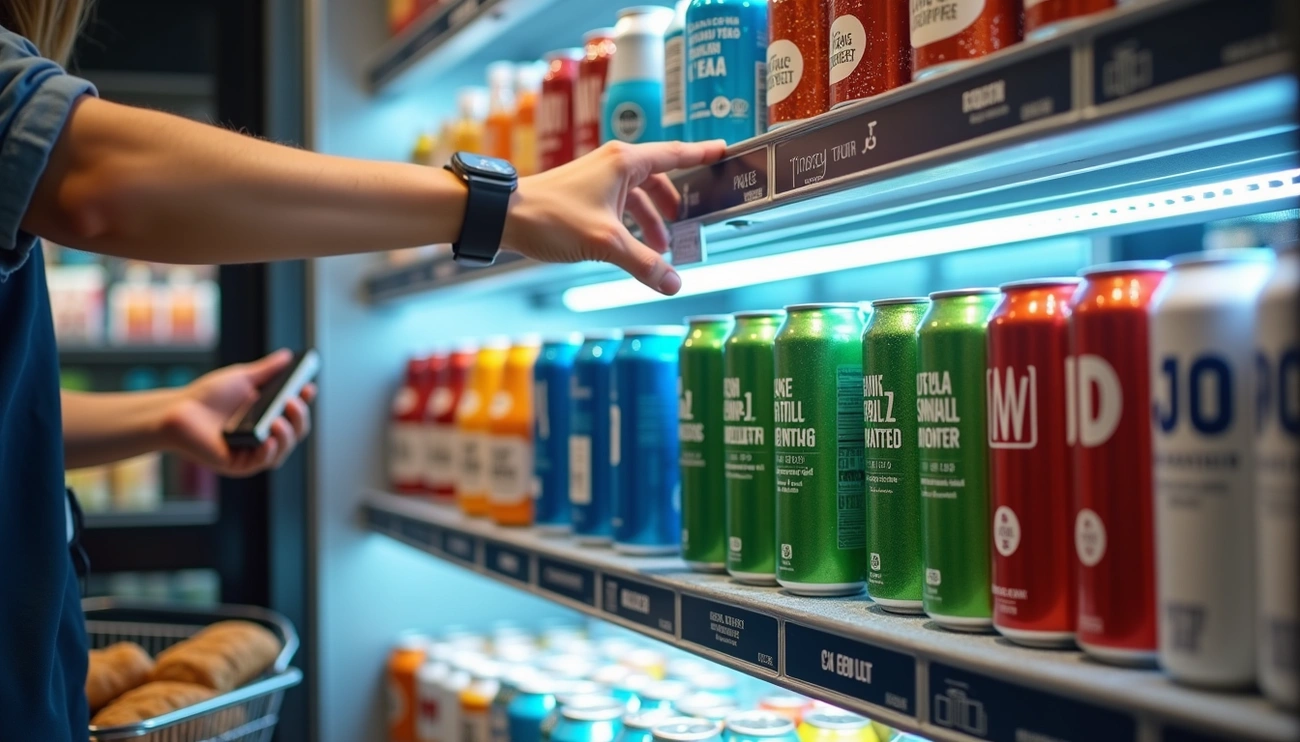
A beverage wholesale offers businesses the opportunity to save considerably on purchasing costs through bulk buying. The idea is simple: the more you buy at once, the lower the price per unit. With bulk packaging, you can save more than 50% compared to smaller quantities. Wholesalers purchase on a large scale and pass these cost savings on to customers, allowing businesses to increase their profit margins.
Whether you are looking for a hospitality beverage wholesale in the Netherlands or Belgium, smart purchasing from a reliable partner such as Frisdrank.com delivers direct benefits. In this article we show how to strategically deploy bulk purchasing, which packaging options exist, and which mistakes you must avoid to achieve maximum returns.
What is a beverage wholesale?
A beverage wholesale sells large quantities of beverages to other businesses, not to consumers. In other words, it is a business-to-business (B2B) model in which products are purchased in bulk from manufacturers or distributors and then resold in smaller batches to hospitality, supermarkets, liquor stores and other business customers.
Profit margins lie between 15% and 30%. Wholesalers, for example, buy 1,000 bottles from a manufacturer for €2 each and sell 50 bottles to 20 different retailers for €6 per bottle. This price structure makes it possible to offer competitive rates while businesses such as restaurants and cafés maintain their own margins.
Specific rules apply to beverage wholesales. Anyone who sells spirits (more than 15% alcohol) to private individuals needs a liquor store license from the municipality. When selling exclusively to businesses, this license is not required.
The assortment varies from wines and beers to spirits, soft drinks and bar supplies. Companies such as Van Leersum Dranken serve hospitality, sports clubs and schools with a complete offering. Bier&Co focuses on hospitality and liquor stores with specialized beer assortments and training. In addition, wholesalers often also supply to large-volume users who structurally purchase large volumes.
Why beverage wholesale remains popular in 2026
The Dutch beverage market is expected to grow to €14.4 billion in 2028, with non-alcoholic drinks accounting for 55% of this segment. This growth makes beverage wholesales attractive for hospitality entrepreneurs and retailers who want to respond to shifting consumer preferences.
Conscious consumption drives demand. Guests choose non-alcoholic and low-alcohol options more often, with quality weighing more heavily than quantity. Functional drinks with probiotics, vitamins and electrolytes are gaining popularity. Ready-to-drink products such as seltzers and canned cocktails form the fastest-growing segment, especially popular among younger target groups.
Hospitality entrepreneurs also expect more flexibility from suppliers than before. Fast delivery becomes essential to respond to trends that spread via social media. Partners must switch quickly between new flavors and packaging formats.
The cost structure underscores the importance of smart purchasing. Wholesalers have costs of 70% of revenue, with selling costs of 6.5%. For buyers this means that bulk purchasing from a reliable beverage wholesale Netherlands or hospitality beverage wholesale delivers direct cost savings. Sustainability also plays a role, with growing demand for environmentally friendly packaging and local sourcing.
How businesses deploy beverage wholesale smartly
Businesses strategically deploy beverage wholesale in multiple ways to reduce costs and increase service. Vending machines offer an efficient solution for offices, production environments and care institutions where there is a need for snacks and drinks. Smart vending gives control over inventory and insight into performance. Soft drink machines with cooling zones between +2°C and +10°C keep products chilled day and night, allowing you to serve your employees and guests 24/7 without extra staff.
Inventory management forms a second pillar. By maintaining fixed order cycles, you keep an overview and prevent rush orders. Analyze consumption figures to align inventory with demand, which reduces food waste. Bulk orders deliver lower prices and lower transport costs.
In addition, wholesalers serve events and catering. From business drinks to festivals, a conscious drinks menu with non-alcoholic options alongside wines and craft beers makes guests happy. All-in arrangements with a fixed price per person eliminate surprises afterward.
Automation increases efficiency. ERP systems streamline inventory management, warehouse activities and transport logistics, which increases your profit margins. Real-time updates via RFID and barcode scanners ensure accurate inventory registration.
Variants and packaging options
Assortment and format determine your sales success. A beverage wholesale Netherlands offers categories from soft drinks and sports drinks to spirits and hot drinks. With spirits you find jenever, whiskey, liqueurs and popular brands such as Malibu, Baileys, Bacardi and Amaretto. Sports drinks such as AA High Energy and Aquarius serve active customers, with isotonic variants for hydration and sugar-free options for conscious athletes.
Packaging formats vary greatly. Soft drinks come in can trays of 24x33cl, crates with 24 or 28 bottles of 20cl, and PET bottles up to 1.5 liters. Sports drinks are available in 33cl and 50cl PET bottles. In addition, wholesalers offer crates, kegs and cans depending on your sales channel.
Bag-in-box is gaining ground as a sustainable solution. This system extends the shelf life of wines, juices and dairy through a flexible inner bag with an oxygen barrier. Formats range from 3 to 20 liters, ideal for hospitality and catering where ease of dosing is a priority. The paper TopClip bundles cans without plastic, 100% recyclable and biodegradable.
Hot drinks complete the offering. Coffee comes in variants from arabica to robusta, with gold label (100% arabica), silver label (80% arabica) and red label (70% arabica). This diversity lets you respond to different customer preferences within one order moment.
Common mistakes when purchasing from a wholesale
Price attracts attention, but focusing on the lowest amount alone leads to problems. Quality and reliability weigh more heavily when selecting a beverage wholesale Netherlands. The cheapest option causes delays, wrong deliveries or even bankruptcy of your supplier, whereby you lose your payments and inventory.
Cash flow forms a pitfall for starters. Without discipline, you burn through your budget quickly with ill-considered choices. First buy small quantities and test how customers respond. Only after proven sales do you increase inventory based on figures, not on gut feeling. Buying too much puts your business in danger, identical to being stuck with summer soft drinks for next season.
Service, delivery time and inventory determine your continuity. Can your supplier switch quickly during demand peaks? Does it have sufficient inventory or do you miss the boat in warm weather? A specialist in hospitality beverage wholesale often has a better-fitting assortment than a generalist.
The number of suppliers requires balance. Too few means risk of shortages and high prices. Too many fragments your budget and blocks bulk discounts. Two to three partners for main categories with a few specialists for niche branches offers certainty without overhead.
Conclusion
Bulk purchasing from a reliable beverage wholesale directly increases your profit margin through lower purchase prices and better inventory control. Choose partners that offer fast delivery, a broad assortment and flexibility instead of only looking at the lowest price. Test small quantities before you buy big, and build fixed order cycles to maintain control. Basically it comes down to smart planning: the right supplier plus strategic purchasing ensure structurally higher margins and satisfied customers.