
A-brands, competitive prices
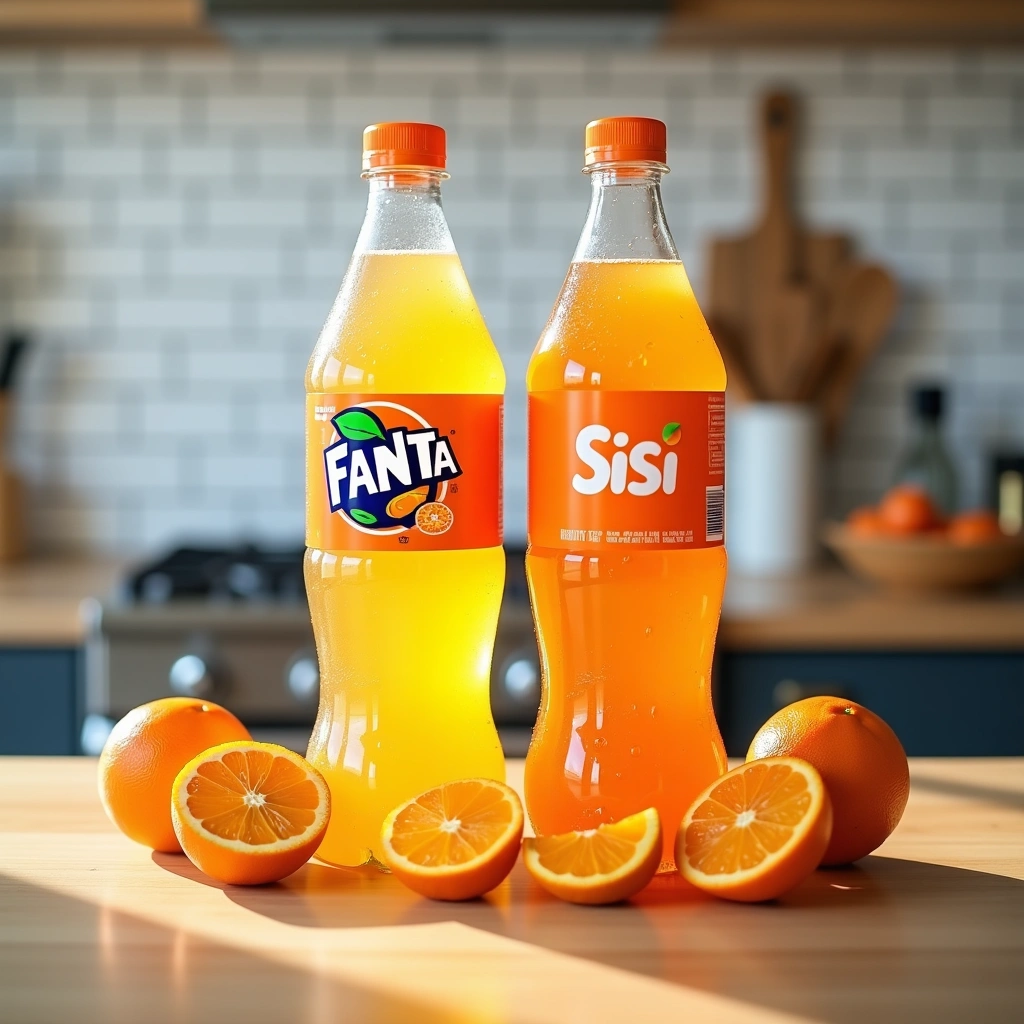
Which Orange Drink Wins in 2026?
Fanta vs Sisi
Fanta vs SiSi: for hospitality and retail, this remains a relevant question in 2026. Fanta is drunk more than 130 million times a day worldwide and is available in more than 190 countries. SiSi, meanwhile, positions itself with 30% less sugar than comparable soft drinks. Two strong brands, each with its own story.
For you as a business buyer, it's about more than taste preference. It comes down to margin, stock security, and what your customers actually want. We compare Fanta Orange and SiSi Orange as carbonated soft drink options, so you can discover which orange drink best suits your range and how to make smart use of both brands.
WHAT ARE FANTA AND SISI?
Fanta originated in Germany in 1940, when Coca-Cola Germany developed a substitute product because the ingredients for Coca-Cola were no longer available. The name comes from the German word "Fantasie". In 1955, the bottler in Naples introduced the now-familiar Fanta Orange, made with local citrus ingredients. This variant was reintroduced in the Netherlands in 1960 and grew to become the most popular flavour worldwide. Fanta belongs to The Coca-Cola Company and contains 3% to 6% orange juice from concentrate, depending on the formula.
SiSi, by contrast, has Dutch roots. In 1937, N.V. Distilleerderij en Likeurstokerij v/h Wed. C.J. Becht & Zonen launched the carbonated orange squash under the name Si-Si. Vrumona in Bunnik has produced the brand since May 1951. In 1969, the name changed to SiSi and sister brands were brought under the same umbrella. The brand targets adult consumers with 30% less sugar than comparable soft drinks. And then there's SiSi No Bubbles, which contains no added sugars at all.
For retailers, these are two clearly different positionings. Fanta as a global player with a higher carbonation level and sweeter taste, while SiSi taps into growing demand for less sugar with a recognisable Dutch heritage. So the background of each brand directly determines which customer group you serve.
WHY FANTA VS SISI REMAINS RELEVANT IN 2026
The soft drinks market has been structurally declining by 3% to 8% per year since 2015. Growing debate about sugar, health, and artificial ingredients is driving this decline. The fruit-flavoured sub-category in particular is struggling, despite intensive promotions such as 2-for-1 and 3-for-2 deals.
The sector is responding, however. In 2024, the average sugar content in soft drinks fell by 38.2% compared with 2012. Of Dutch consumers, 48% choose sugar-free variants, while 46% opt for regular soft drinks. In this way, the market is shifting in two directions at once — making your choice between Fanta Orange and SiSi Orange more strategically important than ever.
Add nostalgia marketing to the mix. Consumers crave familiar flavours from the past, which boosts brand loyalty. Both Fanta and SiSi benefit from this sentiment, each with their own target audience. Get this right, and you can be sure your customers will keep coming back.
Cola dominates with 64 out of every 100 glasses of soft drink consumed. But within carbonated orange drinks, your range selection determines which customer group you serve. Do you cater to the consumer who values sugar reduction, or the one who prefers the original taste? Which brand suits your customer profile and profit margin?
HOW RETAILERS CAN MAKE SMART USE OF FANTA AND SISI
Your packaging choice directly affects your profit margin. Fanta is available in mini cans, glass bottles, and 5L and 10L BIB (bag-in-box) systems for hospitality venues. SiSi offers comparable options with 1.1L PRB bottles, 1.5L PET bottles, and 10L BIB systems. Smaller formats increase your purchase frequency, while BIB systems lower your operational costs — helping you get more return from your purchasing decisions.
Sugar-free variants deserve a prominent spot in your shelf layout. The sugar-free version encourages shoppers to make conscious choices. Place Fanta Orange No Sugar and SiSi Sinas 0% at eye level. When health-conscious customers can spot their preference straight away, you can be confident they'll keep coming back.
For hospitality venues: a perfect serve boosts your soft drink margin by 15.2%. Serve Fanta or SiSi in a glass with fresh ice and a slice of orange. With premium serves, this margin can rise to as much as 27%. In this way, a simple soft drink suddenly becomes a lot more interesting — for you, and especially for your guests.
And what about cross-selling opportunities? Fanta pairs excellently with snacks. Actively ask guests whether they'd like a bottle of still water alongside their soft drink. This increases your average bill without any extra effort.
Seasonal variants create additional revenue too. Fanta Dark Orange for Halloween and limited editions such as Lemon Elderflower are good examples of this. Rotate your range by season, and you give customers a fresh reason to come back every time.
COMPARISON TABLE: FANTA VS SISI
This lets you put both brands side by side at a glance. The key characteristics, summarised.
Characteristic Fanta Orange SiSi Orange
| Origin | 1940 in Germany; 1955 Fanta Orange in Naples; reintroduced in the Netherlands in 1960 | Launched in the Netherlands in 1937; produced by Vrumona in Bunnik since 1951 |
| Owner/Producer | The Coca-Cola Company | Vrumona (Netherlands) |
| Orange juice content | 3% to 6% from concentrate | Not stated |
| Sugar reduction | Not specifically stated for the regular variant | 30% less sugar than comparable soft drinks; SiSi No Bubbles has no added sugars |
| Global presence | More than 190 countries; drunk 130 million times a day | Dutch roots; local focus |
| Target audience | Broad audience; sweeter taste, higher carbonation | Adult consumers; health-conscious |
| Available formats | Mini cans, glass bottles, PET bottles, 5L and 10L BIB systems | 1.1L PRB bottles, 1.5L PET bottles, 10L BIB systems |
| Sugar-free variant | Fanta Orange No Sugar | SiSi Sinas 0% |
| Seasonal variants | Yes (e.g. Dark Orange for Halloween, Lemon Elderflower) | Not stated |
| Positioning | Global player with higher carbonation and sweeter taste | Less sugar with Dutch heritage |
| Hospitality margin benefit | Perfect serve boosts margin by 15.2% | Perfect serve boosts margin by 15.2% |
| Recommended pairing | Snacks | Not specifically stated |
CONCLUSION
Fanta and SiSi each serve a different customer group. Fanta brings global brand recognition and a sweeter taste with higher carbonation. SiSi scores with 30% less sugar and a recognisable Dutch heritage. Your range choice determines which customer group you serve.
Both brands can be used smartly alongside one another. Give sugar-free variants a prominent position, make the most of BIB systems to lower operational costs, and boost your margin with a perfect serve. This way, you get the maximum return from both brands.
The choice of which brand best suits your customer profile is yours to make. But we're confident that with the right range choice, you can delight your customers — and keep them coming back.