
A-brands, competitive prices
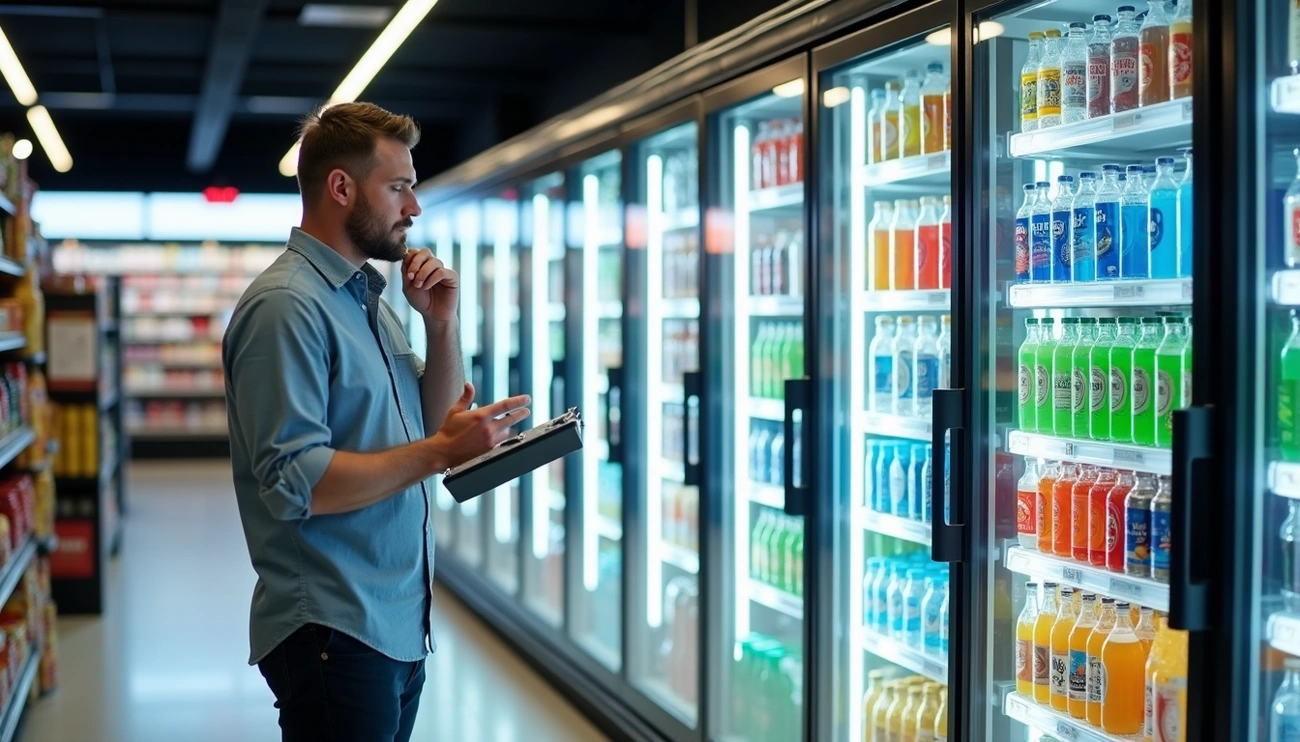
Beverage selection directly determines your profit margin and revenue. Supermarkets maintain margins of 30-50% per product category. Random purchasing of popular alcoholic drinks, popular drinks among young people and popular spirits results in loss of returns and inefficient shelf use. The right mix of most popular drinks optimizes your available shelf space. This guide offers a systematic method for selecting drinks that fulfill customer needs, keep inventory efficient and maximize profit margins.
Market position of popular drinks within mini-markets
Drinks generate substantial revenue for mini-markets. The Dutch alcohol market realized 2.8 billion euros in revenue last year. Popular alcoholic drinks therefore form an essential part of your total revenue stream.
Beer dominates the alcohol segment:
Wine and champagne contribute considerably with 800 million euros in revenue. Lockdowns strengthened retail sales when hospitality closed. Your assortment strategy determines whether you exploit these market changes.
Other beverage categories supplement the segment:
Wrong product selection results in missed revenue and inefficient shelf use. Strategic choice of most popular drinks ensures constant turnover and stable margins.
Market trends that determine beverage popularity in 2026
Sugar reduction is changing consumer preferences. Hospitality establishments register 53% soft drink consumption, with Coca-Cola Zero Sugar remaining market leader. About 43% of all consumers are actively reducing sugar intake. Mini-markets must structurally include sugar-free variants of popular alcoholic drinks and soft drinks in their assortment.
Premium positioning influences buying behavior per age group. Buyers between 18-34 years choose premium drinks in 54% of cases, compared to 35% among those over 55. This target group pays higher prices for authentic brands with brand history. This creates opportunities for high-quality products with improved margins.
Non-alcoholic alternatives are growing within the youth market. Of all 12- to 16-year-olds, 72.4% consumed no alcohol in 2024. At the same time, hard seltzers are gaining popularity among 18-35-year-olds. The beverage assortment determines 65% of all guest choices, which has a direct impact on additional sales.
Sustainability criteria steer brand preference. Fuze Tea uses 100% recycled plastic and achieves 40% CO2 reduction. Functional drinks with added fiber or vitamins register strong growth. Consumers expect measurable health benefits from their beverage choices.
Beverage selection for mini-markets: Systematic approach
Step 1: Conduct customer analysis
Analyze sales data, average purchase amounts and postal codes to identify buying patterns. This data determines which popular drinks deliver returns for your specific location. Supermarkets without an alcohol license may only sell low-alcohol drinks under 15%, wine excepted. Legislation forms the framework for your assortment possibilities.
Step 2: Collect external market data
Collect industry figures via CBS, Google Analytics and sector studies for market opportunities. Personal desires drive 65.5% of unexpected purchases in mini-markets, discounts influence 51.3%. Bottled drinks such as coffee, tea and energy drinks often form the primary visit goal, while candy and snacks are bought impulsively.
Step 3: Apply target group segmentation
Divide customers into groups with comparable characteristics and buying behavior. Of potential customers, 70% would try bottled coffee, 67% energy drinks and 65.6% ready-made meals. These percentages show priorities for shelf layout of the most popular drinks.
Step 4: Develop buyer personas
Translate segment data into concrete customer profiles that steer assortment choices. Every square centimeter of shelf space must generate maximum revenue through targeted product selection.
Variants, packaging and formats of popular drinks
Functional drinks divide into three categories according to molecular composition:
These variants focus on specific sports moments and determine which popular drinks among young people and active consumers are profitable.
Packaging formats are shifting toward smaller units. Energy drinks were initially sold in 250ml cans, but since 2008 formats of 330ml, 473ml and 500ml have appeared. Plus switched to 250ml cans to reduce sugar intake, with private labels and A-brands such as Coca-Cola cooperating. A standard 250ml energy drink contains about 80mg of caffeine, more than the average in a cup of coffee.
Premium packaging offers distinctiveness:
Common mistakes in beverage purchasing for mini-markets
Alcohol discounts above 25% result in direct fines from the NVWA (Dutch Food and Consumer Product Safety Authority). Price promotions on alcohol above 0.5% may offer a maximum of 25% discount. Offers such as "two for the price of one" or "second product free" are illegal. Free gifts count as discount value. A bottle of wine of €8 may include a free glass of a maximum of €2. Stacking discounts via newsletter promotions combined with other promotions likewise exceeds the 25% limit.
Inventory mistakes limit cash flow and profitability:
Pricing strategies focus wrongly on lowest price versus delivered value. Consumers visit mini-markets for convenience, not for bargains. Race-to-the-bottom approaches structurally lower margins without building customer loyalty. Value perception arises through friendliness, cleanliness and product choice, not through low prices alone.
Conclusion
Strategic beverage selection requires systematic data analysis and target group research. Inventory data, customer behavior and legal restrictions determine which products are profitable in your mini-market. Avoid random purchasing and focus on assortments that fulfill customer needs, optimize margins and guarantee constant turnover. Monitor sales trends continuously and adjust your assortment as the market changes. Start today with systematic assortment optimization for measurable revenue growth.