
A-brands, competitive prices
What You Need to Know About:
Global Beverages and Snacks Giant PepsiCo
PepsiCo ranks among the absolute top of the global beverages and snacks industry. With quarterly revenue of over $12 billion, the company demonstrates just how powerful the combination of soft drinks and snacks can be. In Belgium alone, around 482 million litres of cola are sold in supermarkets each year, with PepsiCo representing around ten per cent of that cola market. For hospitality and retail, this translates into concrete opportunities to boost your margin with the right range.
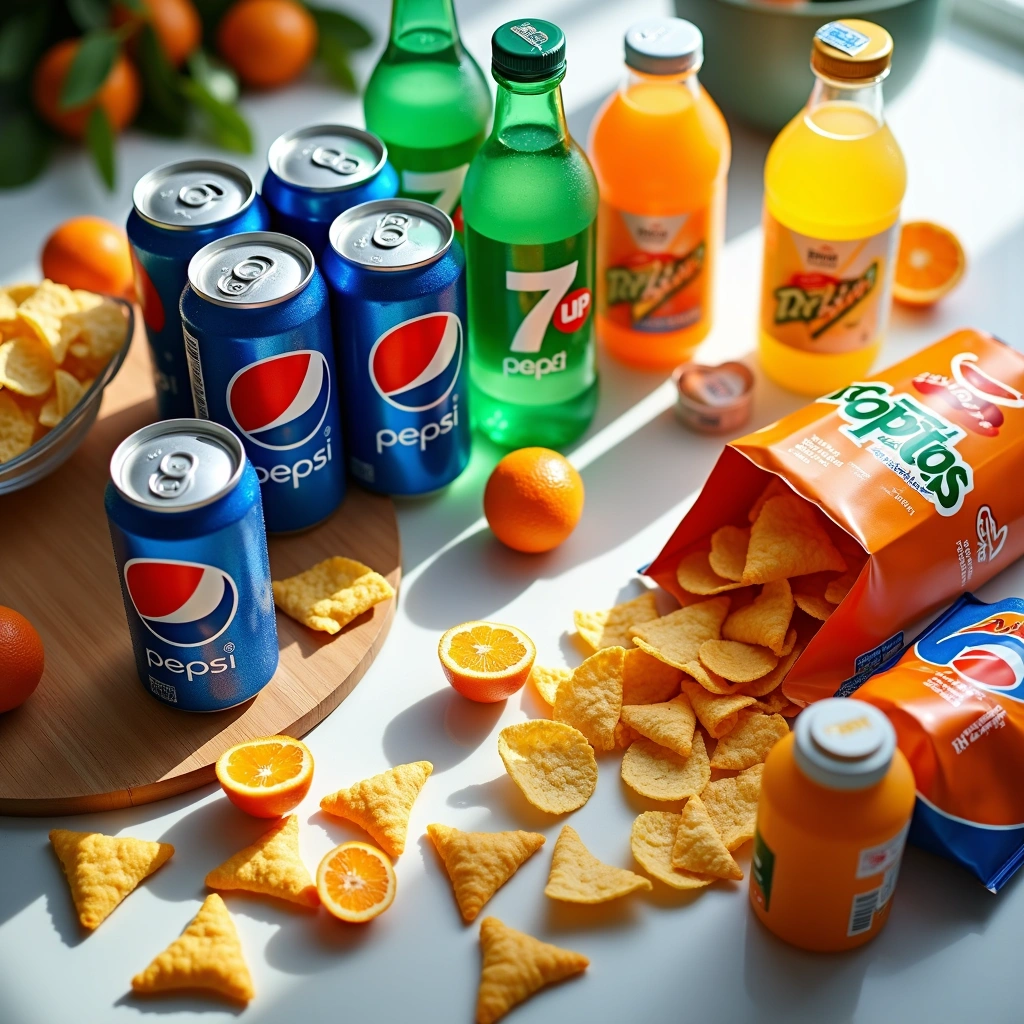
Brands such as Pepsi Cola, 7UP, Mountain Dew, Gatorade and Tropicana are among the most sought-after PepsiCo soft drinks. And what about Lay's, Doritos and Cheetos? These snack brands are also market leaders in their category. With PepsiCo, you have a portfolio at your disposal that makes a difference for your customers in both drinks and snacks.
This article shows you how to make effective use of PepsiCo products for your business. Which variants are available, how does the brand stay popular, and what mistakes can you avoid when it comes to sales and stock? Read on below.
WHAT IS PEPSICO?
PepsiCo was formed in 1965 from the merger of the Pepsi-Cola Company and Frito-Lay. From day one, the company combined the strength of drinks and snacks under one roof. With 19,000 employees at the time and annual revenue of €486.65 million, CEO Donald Kendall and chairman Herman Lay laid the foundations for what is now one of the largest food companies in the world.
The head office is based in Purchase, New York. In 2023, PepsiCo achieved revenue of €86.83 billion, almost half of which came from international markets. The company operates in more than 200 countries and has 318,000 employees worldwide. With 500 brands in its portfolio, 23 of which each generate more than €0.95 billion in annual revenue, PepsiCo ranks second in the global food and beverage industry.
The organisation is made up of seven divisions: three focused on North America and four on the rest of the world's regions. Drinks account for around 40% of total sales, while snacks and food make up the remaining 60%. This gives PepsiCo a stable and broad base that offers recognisable advantages for wholesalers and retailers alike.
For the Dutch market, PepsiCo operates production sites in Rotterdam, Zaandam and Broek op Langedijk. The company also works with Vrumona to bottle carbonated soft drinks. In this way, security of supply for hospitality and retail is guaranteed, which you as a business owner will notice directly in the reliability of your range.
WHY PEPSICO REMAINS POPULAR IN 2026
Consumers today expect more from their drink or snack. Functional ingredients, less sugar and a healthier profile — but with the taste they know. PepsiCo responds cleverly to this with a portfolio that combines both worlds. Products are consumed more than a billion times a day in over 200 countries. That says enough about the strength of this brand with your target audience.
The balance within the range has shifted noticeably in recent years. Food now accounts for 58% of total revenue, while drinks make up around 40%. For retailers and hospitality businesses, this balance offers genuine stability. Peaks in demand for drinks are offset by consistent snack sales. This keeps your revenue reliable, regardless of the season.
Health is increasingly central to PepsiCo's product development. The company is cutting added sugars in soft drinks by 25% by 2025, and by as much as 50% by 2030. At the same time, it is expanding its sugar-free options, including Pepsi MAX and 7UP Free. For snacks, PepsiCo aims for a tenfold increase in products with a Nutri-Score of B or better by 2025. This means that, as a seller, you'll have increasing choice within healthier variants — exactly what your customers are asking for.
Innovation goes beyond sugar reduction alone. Simply NKD Cheetos and Doritos remove artificial colourings. Doritos Protein will launch in 2026 with a higher protein content. On top of that, PepsiCo is reducing 20% of its product line to focus on core brands and efficiency. For wholesalers and shops, this considerably simplifies stock planning. You'll have fewer SKUs to manage, while retaining the brands that truly matter to your customers.
HOW COMPANIES MAKE CLEVER USE OF PEPSICO PRODUCTS
Retailers and hospitality operators who make clever use of PepsiCo products think beyond individual product categories. Snacks and drinks are combined into complete impulse-purchase solutions, with products strategically clustered around consumption moments. This maximises revenue per square metre and creates more value for your customer.
PepsiCo actively supports retailers in this with space-planning software for planogram optimisation and point-of-purchase analysis. Shelf layouts are visualised and new product placements are tested before implementation takes place. This reduces the risk of range errors and improves product visibility straight away.
Field marketing campaigns show just how powerful brand visibility can be when linked to direct conversion. A Snack a Jacks near-store activation achieved 500,000 consumer contacts in just 77 campaign days, with promotional teams guiding consumers directly into the shop to make a purchase. You can genuinely build on results like these.
New consumption moments are also being discovered worldwide, beyond traditional snacking occasions. The Lay's restaurant in Shanghai combines product experience with hospitality and delivers valuable insights for menu development and out-of-home strategies. When you, as a hospitality operator, respond to trends like this, you can be sure your customers will be pleasantly surprised.
Cross-category promotions such as 'Food Deserves Pepsi' show how soft drinks and snacks reinforce one another. By promoting both categories together, you increase average transaction value and stimulate complementary demand. This makes selling PepsiCo products considerably more appealing for you — and, above all, for your customers.
PEPSICO BRANDS: VARIANTS AND PACKAGING
PepsiCo's Dutch portfolio comprises 15 strong brands: 7UP, Alvalle, Caleb's Kola, Cheetos, Doritos, Duyvis, Gatorade, Lay's, Mountain Dew, Naked, Pepsi, Quaker, Snack a Jacks, Sunbreaks and Tropicana. Belgium also has access to Looza and Mirinda. This creates regional differences in range that have a direct impact on your product offering for hospitality and retail.
Looza has been a trusted name in fruit juices since 1947 and offers no fewer than 13 flavours, including ACE, Orange and Apple Cherry. Looza Tropical combines 8 tropical fruit juices in a single product: pineapple, orange, passion fruit, lime, kiwi, banana, mango and papaya. With such a wide range of flavours, you can effortlessly diversify your menu or product display and keep surprising your customers time and again.
Gatorade has grown since 1965 into a leading sports drink sold in 80 countries. Mountain Dew was launched on the Dutch market in 2012 in 500ml bottles and 330ml cans, later joined by a sugar-free variant in April 2017. Production in the Netherlands stopped in April 2019, but the brand remains a recognisable name for your customers.
For snacks, Lay's Celebration Boxes offer a practical sharing solution with 30 packets spread across Lay's, Cheetos and Doritos variants. These packaging formats respond directly to grab & go moments. They boost your stock turnover, make more efficient use of your shelf space and simplify stock management considerably, especially for smaller points of sale.
COMMON MISTAKES WHEN SELLING PEPSICO PRODUCTS
Competing on price alone is a pitfall that costs many companies dearly. Without an underlying story about product value, you won't create a sustainable market position. A telling example: Carrefour stopped selling PepsiCo products in 2024 over "unacceptable price increases", after negotiations broke down. The retailer demanded price cuts while PepsiCo proposed increases. This shows how purely price-driven thinking puts relationships under pressure and ultimately weakens your range.
Promotional balance also requires attention. PepsiCo's promotional share in the snack segment stands at around 35–40%, which is healthy for an impulse-purchase market. But when this percentage keeps growing, an unhealthy ratio develops between promotional price and regular price. Retailers who constantly apply discounts train customers to buy only during promotions. That undermines value perception in the long run.
Consumers need to feel that a product is worth the price. You won't achieve that through low checkout prices alone. Companies that fail to build a story around quality, brand experience or usage moments will ultimately lose market share to competitors who do invest in this.
Finally, growing individualisation within households is making range decisions more complex. Family members have differing needs that, moreover, are constantly changing. Retailers who focus only on volume brands miss out on opportunities in niche segments such as sugar-free variants or functional drinks. When you can surprise your customers with the right offering, you can be sure they'll keep coming back.
CONCLUSION
PepsiCo offers you a strong portfolio of drinks and snacks with which you can achieve healthy margins. This becomes even more appealing to your customers when you add functional variants and sugar-free options to your range.
Competing on price alone, without a story behind your offering, doesn't work in the long run. Your customers need to feel that products are worth the price. Combine snacks with drinks, make use of the right packaging variants, and ensure your range matches what your target audience is actually looking for. This way, you create more value per customer visit and retain a more attractive margin.
This makes selling PepsiCo products considerably more appealing for you — and, above all, for your customers.