
A-brands, competitive prices
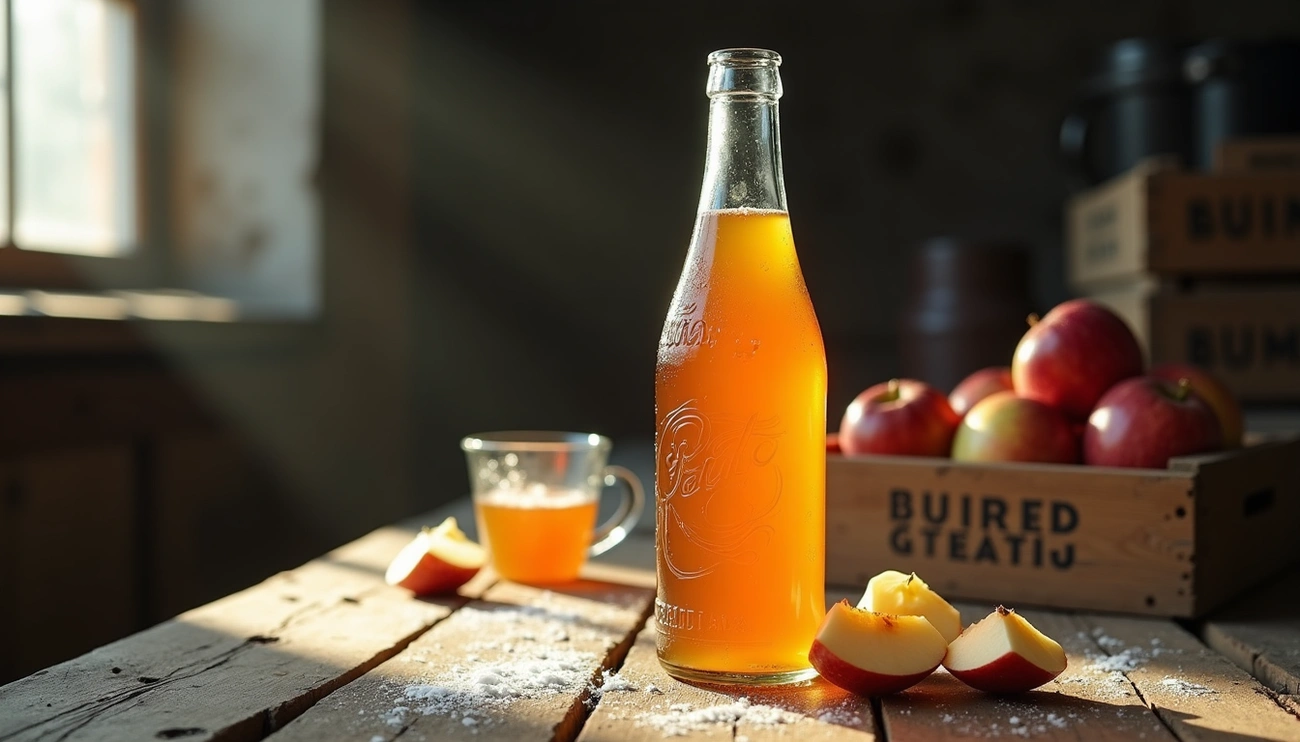
Fanta was created in 1940 out of pure necessity. Trade barriers during the Second World War blocked the import of Coca-Cola ingredients into Germany, forcing Coca-Cola Germany to develop an alternative using available raw materials such as whey and apple fibres. Today, people around the world drink Fanta more than 130 million times a day — making it the second-oldest beverage of The Coca-Cola Company.
For you as a hospitality entrepreneur, retailer or wholesaler, this history offers valuable insights. It demonstrates how innovation under pressure can succeed and how flexibility in product development can lead to lasting success. Fanta proves that brands can adapt to local circumstances without losing their identity.
We take a fresh look at this history. You will learn exactly how Fanta came into existence, why the brand continues to grow today and, most importantly, how you can strategically use Fanta to improve margins and customer satisfaction. Because understanding brand history helps you buy and sell more intelligently.
In 1940, Max Keith faced an almost impossible challenge. After the death of his predecessor Ray Powers in 1938, he took charge of Coca-Cola Germany, but the Allied blockade made importing Coca-Cola syrup impossible. By 1942, supplies had completely run out. Keith had to keep 43 factories operating and saw only one solution: developing an entirely new soft drink.
Company chemist Wolfgang Schetelig was tasked with creating something from whatever ingredients were available. The recipe consisted of by-products from other industries: apple fibres from cider production, whey from cheese manufacturing, beet sugar and citrus pulp from Italy. Keith organised a staff competition to name the drink. Salesman Joe Knipp won with “Fanta” — a shortened version of the German word Fantasie.
German families used the drink differently than expected. Due to strict sugar rationing, Fanta was often used as a sweetener for soups and other dishes. That creativity paid off: sales climbed to nearly three million crates in 1943.
Meanwhile, the Netherlands developed its own version based on elderberry juice, sweetened with artificial sweeteners. After the war, production temporarily stopped. Coca-Cola relaunched the brand in 1955, this time as an orange-flavoured soft drink. What began as a wartime necessity became a global success story.
In 2026, Fanta ranks among the world’s top 10 soft drink brands. The brand owes this position to a smart strategy: more than 100 different flavours worldwide, specifically tailored to local preferences. For your Dutch customers, this means choices such as Orange, Lemon, Exotic and Cassis, with nearly all variants also available sugar-free.
Coca-Cola is introducing new opportunities to the Dutch market for 2026. Fanta Crimson Cherry and Fanta Strawberry Kiwi will become available, with Crimson Cherry sold from March to June in a special gaming edition. This launch builds on the Xbox partnership that began in early 2025. Through QR codes on packaging, customers can win exclusive hardware, including customised Xbox Series X consoles in Fanta colours.
This allows you to create additional brand experience without extra investment. Interactive #WhatTheFanta campaigns continue to attract attention. More than 50,000 consumers participated in previous editions by guessing mystery flavours through online missions and physical activations.
For your hospitality venue or retail business, this flavour variety offers concrete advantages. Customers can always find a flavour that suits their preferences, encouraging repeat purchases. The fresh citrus flavours perform particularly well during warm periods and festive occasions. In this way, you build reliable revenue streams with products your customers genuinely want.
Soft drinks dominate terraces and restaurants: 53% of all beverage choices in hospitality involve soft drinks. For you, this represents direct revenue opportunities, especially with Zero Sugar variants such as Fanta Orange Zero Sugar. These calorie-free options provide margins comparable to regular soft drinks while responding to the growing demand for healthier choices.
Your menu strongly influences what guests order. As much as 65% of beverage choices depend on your drinks menu. Images are 10 to 20 times more effective than text alone. Therefore, display product photos of Fanta cocktails or mocktails — this creates thirst appeal and stimulates impulse purchases among your guests.
We recommend simple recipes that provide additional experience without major investment. Combine 150ml of Fanta Orange Zero Sugar with 50ml of alcohol-free spritz for a refreshing mocktail. Serve chilled at 4°C with fresh fruit for optimal presentation. This keeps costs low while surprising your guests.
Limited editions such as Halloween packaging with QR codes linking to digital content attract additional attention in both retail and hospitality. These campaigns strengthen your brand experience and attract new customers. You benefit from the brand’s marketing investments without additional costs.
Hospitality crates containing 24 glass bottles of 20cl ensure stock reliability during busy periods. Combine different flavours such as Orange, Lemon, Exotic and Cassis. In this way, you build a broad assortment that stimulates repeat purchases and keeps your customers satisfied.
Fanta demonstrates how flexibility and innovation can lead to lasting success. From wartime circumstances to more than 100 flavours worldwide — this brand adapts without losing its identity.
For your business, Fanta offers concrete opportunities. Zero Sugar variants provide the same margins as regular soft drinks while responding to your customers’ healthier choices. Limited editions and seasonal variants encourage repeat purchases and increase interest in your assortment.
You decide how to position Fanta on your menu or shelves. Strategically combining different flavours with reliable supply gives you the opportunity to surprise customers. In doing so, you not only optimise your assortment but, above all, improve customer satisfaction.
Because when you can surprise your customers with the right flavour combinations, you can be certain they will keep coming back.