
A-brands, competitive prices
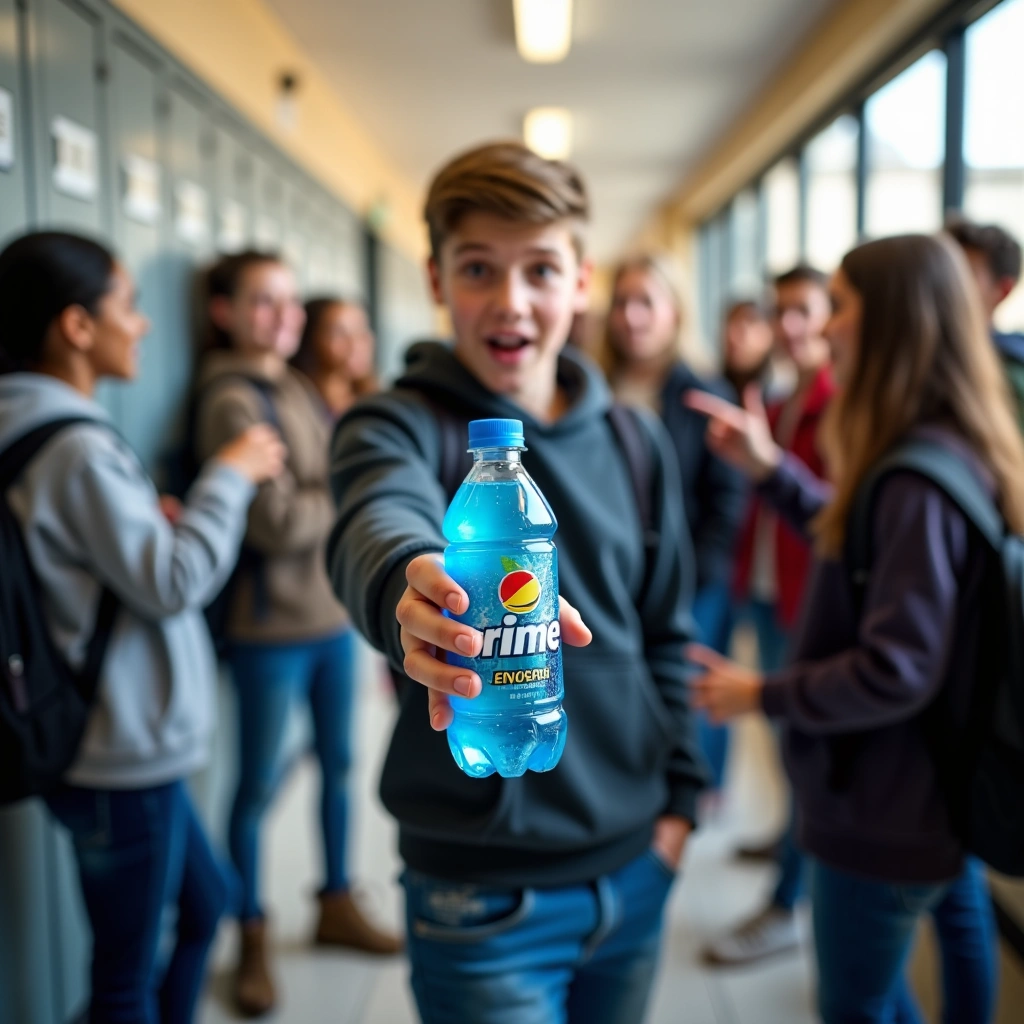
The Biggest Hype Among Young People
Prime Energy Drink
Prime Energy Drink, launched by founders KSI and Logan Paul, achieved a turnover of 250 million dollars and has since been conquering the youth market at record speed. With a combined following of more than 40 million followers, these influencers created enormous hype on TikTok and YouTube. For hospitality entrepreneurs and retailers, this offers special opportunities. Demand for Prime is so great that British supermarkets even experienced a genuine "caffeine war" to get hold of the bottles. In this article you'll discover why Prime became so popular among young people, which variants are available, and how to smartly incorporate this trend product into your assortment for optimal margin and customer loyalty.
WHAT IS PRIME ENERGY DRINK?
YouTubers Logan Paul and KSI launched Prime Hydration in 2022, a caffeine-free sports drink in bottles. Since January 2023, however, Prime Energy has also existed in cans, with a caffeine dose of 200 milligrams per 355 ml. That's almost double the amount of a Red Bull of the same size (114 milligrams) and equal to six cans of Coca-Cola.
Prime Hydration contains 10 percent coconut water, electrolytes, B vitamins, and BCAAs. The sports drink has no caffeine, no sugar, and about 20 calories per bottle. Prime Energy, however, contains 200 mg of caffeine and targets consumers aged 18 and up.
For Dutch and Belgian retailers, one detail is important: Prime Energy exceeds the European standard of a maximum of 320 milligrams of caffeine per liter. With 562 milligrams per liter, Prime Energy may not be sold in Belgium. The Federal Agency for the Safety of the Food Chain advises adults to consume a maximum of 400 milligrams of caffeine per day — equal to two cans of Prime Energy.
The label states in small print that Prime Energy is not recommended for people under 18, pregnant women, or people sensitive to caffeine. Both variants are available in flavors such as Tropical Punch, Blue Raspberry, and Lemon Lime.
WHY PRIME BECAME THE BIGGEST HYPE AMONG YOUNG PEOPLE
The explosive growth of Prime arose from a combination of influencer marketing and scarcity tactics. At launch, Logan Paul and KSI had a combined YouTube following of more than 40 million subscribers. This reach provided immediate visibility without traditional marketing costs.
Scarcity marketing became the key weapon. Prime deliberately limited distribution at launch, causing supermarkets like Aldi to temporarily allow only one bottle per customer. On eBay, listings appeared offering twelve bottles for £400. Retailers had to restock weekly due to the enormous demand. This scarcity created a secondary market where bottles were resold for exorbitant amounts.
Social media amplified this phenomenon. On TikTok, videos went viral of customers fighting over a bottle. Young people posted so-called "Prime hunt" videos on YouTube. A London teacher even reported that students with empty Prime bottles filled with water gained higher status among classmates.
In addition, Prime formed partnerships with Arsenal Football Club, UFC, and Bayern Munich. Athletes such as Patrick Mahomes, Erling Haaland, and Alisha Lehmann became ambassadors. These professional sports connections gave the brand credibility as a serious hydration product.
HOW RETAILERS CAN SMARTLY DEPLOY PRIME
Wholesalers such as Booker charge €15.29 for twelve bottles of Prime Hydration, with a recommended retail price of €2.50 per bottle. EU wholesale prices, however, vary between €1.80 and €2.50 per bottle depending on flavor and order quantity. In Belgium, though, consumers pay between €10 and €15 per bottle due to the enormous demand.
This pricing structure creates significant margins for retailers who sell Prime at reasonable prices. A Booker retailer warned, however, that stores that charge dramatically inflated prices get a bad reputation with customers. Transparent pricing strengthens customer loyalty in the long run.
Inventory management requires weekly restocking. Baris Ardic of convenience store Vooruit in Ghent even has to replenish his Prime stock weekly due to constant demand. Purchase limits help guarantee availability. Checkers implemented a limit of eight items per customer, two per flavor.
Prime Hydration may be sold via [retailer name omitted in source], Amazon, Colruyt, and AD Delhaize. Prime Energy remains banned in Belgium due to its caffeine content. Retailers must communicate this legal distinction to avoid misunderstandings. Official distribution channels guarantee fresh batch data and EU compliance.
VARIANTS, PACKAGING, AND APPLICATIONS
Both product lines offer retailers a wide flavor assortment for different customer segments. Prime Hydration comes in flavors such as Tropical Fruit, Blue Raspberry, Lemon Lime, Strawberry Watermelon, Ice Pop, and Meta Moon. Prime Energy shares several of these flavors, namely Ice Pop, Strawberry Watermelon, and Meta Moon, plus exclusive variants such as the black-and-gold KSI Edition with orange-mango.
Packaging formats differ per product line. Prime Hydration comes in 500ml plastic bottles with color coding per flavor, while Prime Energy is sold in 355ml aluminum cans. This visual recognition facilitates inventory identification and helps customers quickly find their preferred flavor.
Nutritionally, Prime Hydration contains only 25 kilocalories per half liter, significantly less than soft drinks at 220 kcal. The drink contains no fats or proteins, but six grams of carbohydrates, and is artificially sweetened with sucralose and acesulfame K. In addition, half a liter provides 900 micrograms of vitamin A, plus magnesium, zinc, and trace amounts of vitamin B12.
For hospitality entrepreneurs, this assortment means flexibility. Prime Hydration suits gyms and health-focused establishments due to its low calorie content, while the flavor diversity appeals to younger target groups without added sugar.
COMMON MISTAKES WHEN SELLING PRIME
Retailers regularly make legal and commercial mistakes when selling Prime that cause both reputational damage and fines. The most common mistake concerns selling Prime Energy in Belgium and the Netherlands. This variant contains 562 milligrams of caffeine per liter, far exceeding the legal limit of 320 milligrams. The Federal Agency for the Safety of the Food Chain has taken action against this.
In addition, retailers communicate insufficiently about the health risks of Prime Hydration. Children who drink one to two bottles a day exceed the vitamin A limit. Excessive doses cause poisoning, nausea, headaches, and liver damage. Dietitian Mariem Chiairi emphasizes that the vitamin doses are far too high for children, yet this information is often missing at points of sale.
Pricing mistakes damage customer relationships. Stores that charge extremely inflated prices get a bad reputation with consumers. British figures, however, point to the opposite problem: overstocking during declining demand. Prime sales fell from £26.8 million to £12.8 million in the first quarter of 2024. Tesco reduced prices to 31 pence due to oversupply.
Marketing experts warn retailers not to fixate on temporary hypes. Brands that neglect fundamentals such as availability, correct pricing, and a solid proposition do not achieve long-term success.
CONCLUSION
Prime offers retailers significant margins due to enormous demand among young people; however, successful sales require more than simply putting the product on the shelf. Make sure you sell only Prime Hydration in Belgium, communicate transparently about prices, and avoid overstocking during declining hype. Retailers who combine legal compliance, realistic pricing, and solid inventory management benefit most from this trend without reputational damage or financial risk.
FREQUENTLY ASKED QUESTIONS (FAQ)
Retailers and hospitality entrepreneurs regularly ask questions about the legal status and health aspects of Prime products. Below you'll find answers to the most common questions.
What is the difference between Prime Energy and Prime Hydration? Prime Hydration contains no caffeine and focuses on hydration with electrolytes. Prime Energy, on the other hand, contains 200 milligrams of caffeine per 355 ml can, making it an energy drink for adults.
Why is Prime Energy banned in Belgium? Belgium enforces a maximum limit of 320 milligrams of caffeine per liter. Prime Energy, however, contains 562 milligrams per liter, exceeding the legal standard. In addition, Prime Energy contains the ingredient L-theanine, which has not received approval from the European Food Safety Authority.
Why does Prime cost so much more in Belgium than in the US? In the United States, you pay only €2 per bottle. In Belgium, the price ranges between €10 and €15 due to enormous demand and limited availability.
Is Prime dangerous for children? Prime Hydration contains extremely high doses of vitamin A. Children who drink one to two bottles a day exceed the safe limit, which can lead to poisoning and liver damage.
KEY TAKEAWAYS
For retailers wanting to sell Prime, one legal rule applies above all: sell only Prime Hydration in Belgium and the Netherlands. Prime Energy exceeds the caffeine limit and leads to fines. Prime Hydration, on the other hand, offers significant margins between a purchase price of €1.80 and a selling price of up to €15 per bottle.
Weekly restocking remains necessary due to constant demand among young people. Implement purchase limits of two to eight items per customer to guarantee availability. Transparent pricing prevents reputational damage, while extremely inflated prices permanently drive customers away.
Communicate health risks actively. Children who drink Prime Hydration daily exceed the vitamin A limit, risking liver damage. In addition, Prime demand fell by more than 50 percent in 2024, so avoid overstocking during declining hype.
Business buyers benefit most by using official distribution channels for EU compliance and fresh batch data. Combine legal certainty, realistic margins, and solid inventory planning for sustainable success with this trend product.