
A-brands, competitive prices
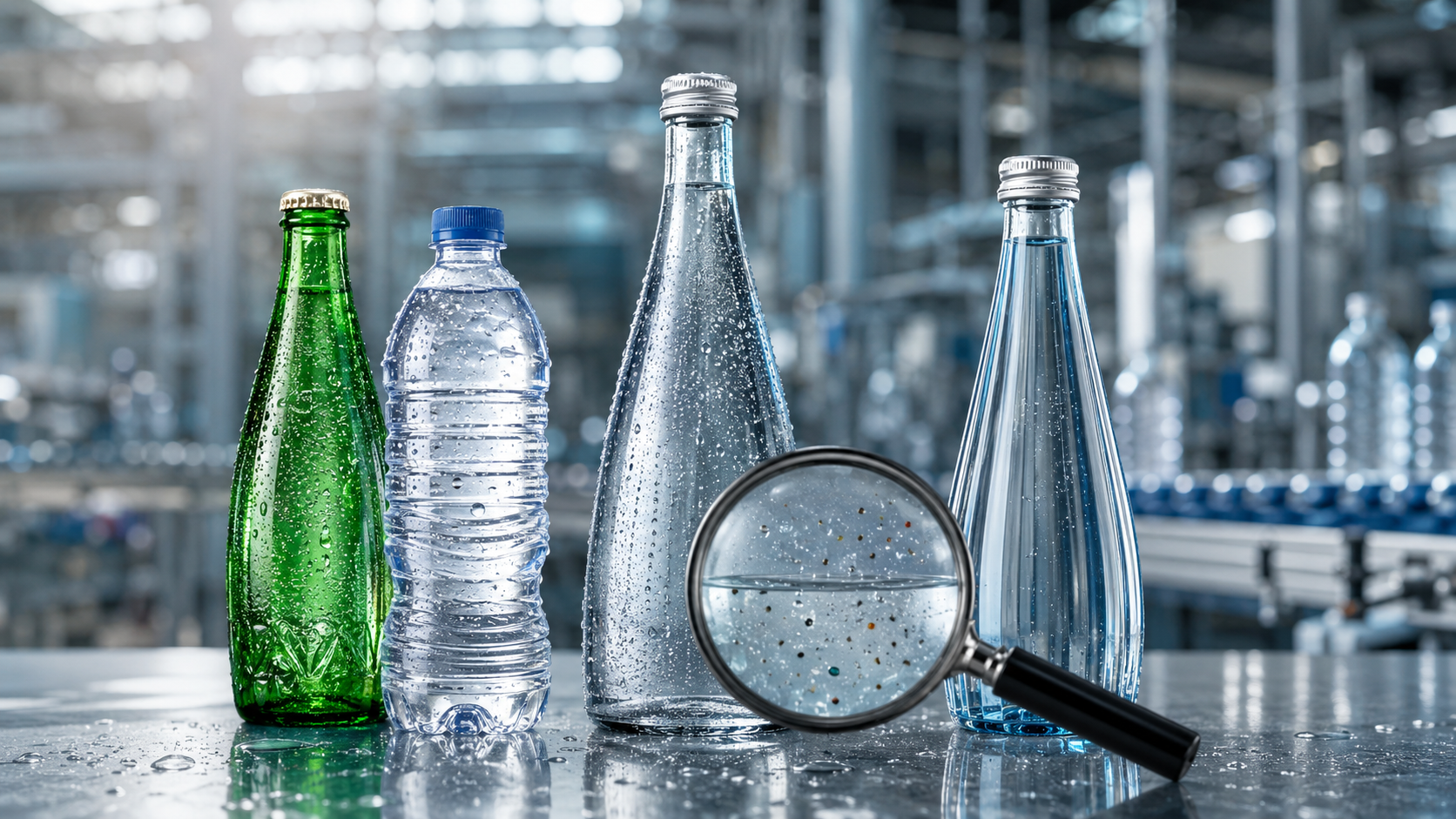
Nestlé Waters brands such as Perrier, Hépar, and Vittel have been in the spotlight since 2024. Not because of a success story, but because of illegal filtering techniques and misleading marketing as 'natural mineral water'. Brands that dominated the premium segment for years are now under increasing pressure.
The figures speak for themselves. Nestlé pumped an estimated 920 million liters of water per year, while pathogenic bacteria and E. coli contamination led to millions of destroyed bottles. For hospitality and retail, this translates directly into supply uncertainty and a more critical consumer on the other side of the counter.
It is precisely the premium segment — where these water brands were long considered reliable as a matter of course — that now requires extra attention when purchasing. When consumers question the origin and purity of their drink, you as a business owner notice it immediately in your revenue and reputation.
In this article, we discuss why consumers are becoming increasingly critical, how you as an entrepreneur can handle this wisely, and which alternatives you can deploy to continue serving your customers optimally.
WHAT ARE NESTLÉ WATERS BEVERAGE BRANDS?
Nestlé Waters was founded in 1992 and grew into one of the largest water divisions in the world. With 95 production sites spread across 34 countries and approximately 33,700 employees, the company manages a portfolio of no fewer than 49 to 50 unique water brands on five continents. The water activities generated revenue of CHF 3.2 billion in 2024. These are figures that clearly illustrate the importance of these brands to the beverage sector.
As of January 1, 2025, Nestlé Waters operates as an independent company within the Nestlé Group under the leadership of Muriel Lienau. The portfolio is built around three clear categories:
As a buyer, this gives you access to both the premium segment and a broad volume offering. It is, however, useful to know the distinction between the product types. Mineral water is bottled directly at the source and retains its natural mineral composition. Spring water, on the other hand, is first transported on a large scale before being packaged. In this way, the origin of the water directly determines its positioning and pricing in your assortment.
In practice, you will find these brands mainly in the premium segment of restaurants and hotels, where Perrier and S.Pellegrino are standard fixtures on drink menus. Beverage brands that fit a demanding target audience perfectly, but that now require some extra attention when purchasing.
WHY CONSUMERS ARE BECOMING CRITICAL IN 2026
The fact that consumers are looking increasingly critically at Nestlé Waters brands is no coincidence. Behind that criticism lies a series of concrete events that have significantly damaged trust in these brands.
It all began back in 2024, when it came to light that contaminated spring water from Vittel, Contrex, Perrier, and Hépar had for years been purified using microfiltration, activated carbon filters, and ultraviolet filters. That may sound clean, but these treatments are explicitly not permitted for products sold as natural mineral water under EU legislation. Internal documents moreover show that Nestlé itself acknowledged that the water and treatment processes 'do not comply with the regulations'.
And what about the situation surrounding Perrier? Pathogenic bacteria were found in bottles from the factory in Vergèze, but Nestlé did not report this to the health authorities as legally required. Ultimately, no fewer than 3 million Perrier bottles were destroyed in April after contamination with E. coli. Hépar and Contrex also proved to be repeatedly contaminated with fecal matter.
The legal consequences were not long in coming. French authorities raided the Paris headquarters of Nestlé Waters in July 2025, followed by raids on two Perrier bottling plants in Vergèze and a Vittel laboratory in the Vosges in 2026. Food watchdog Foodwatch filed a criminal complaint for deception.
On top of that, Nestlé Waters is accused of large-scale plastic dumping, with microplastic pollution up to 1.3 million times higher than Seine levels. One incident piles on top of another. For hospitality and retail, this means supply uncertainty and a consumer who demands transparency and is less quick to forgive.
HOW RETAILERS AND HOSPITALITY BUSINESSES USE NESTLÉ WATERS BRANDS
Despite all the commotion, Nestlé Waters remains commercially firmly anchored in retail and hospitality. The water division accounts for 9 percent of total Nestlé revenue. Brands such as Perrier, Vittel, Contrex, Valvert, and San Pellegrino built a strong position on shelves and drink menus over many years. That makes them difficult to simply remove from your assortment.
For retailers, these brands offer an extensive range in various formats: from 300 ml and 500 ml to 1-liter and 1.5-liter bottles. And water as a category is still growing steadily. In fact, as much as 65 percent of the growth within bottled water comes from consumers switching from soft drinks. That's an opportunity you as an entrepreneur can't afford to ignore.
In practice, retailers focus on strategic placement near checkout zones and soft drink shelves, supplemented with bundle and meal deals. Hydration stations outside the store attract passers-by and encourage impulse purchases. A retailer in London reported higher water sales after installing such a display unit. With smart presentation, you can directly generate more revenue from your water assortment.
And what about the growth figures in the premium segment? In the first quarter of 2026, that segment once again posted double-digit growth, with an overall increase of 3.3 percent. New launches such as the Maison Perrier portfolio in the UK and Sanpellegrino CIAO in France show that, despite the reputational damage, there is still momentum in this segment. For hospitality, these introductions offer fresh options to refresh the drink menu.
VARIANTS, PACKAGING, AND THE PREMIUM SEGMENT
Nestlé Waters offers a wide range of formats: from 33 cl and 50 cl to 70 cl, 75 cl, 1 liter, and 2 liters. This allows you to deploy the right packaging for every sales channel and every occasion, from table settings in the restaurant to shelf space in the supermarket.
In the area of sustainable packaging, Nestlé has invested more than €24 million in new production lines since 2019. All small formats under 1 liter of Vittel, Hépar, and Contrex now contain 100% recycled plastic (rPET), with one ton of rPET saving 2 tons of CO2 emissions. The Eco-Shape half-liter bottle weighs just 9.3 grams and contains 60% less plastic than previous versions, complemented by a 1-gram cap. And what about the opportunity to use this sustainability message to win over your own customers? Consumers who pay attention to their ecological footprint appreciate these kinds of choices and come back for them.
Premium brands S.Pellegrino, Perrier, and Acqua Panna form the core of the international portfolio, while regional brands such as Vittel, Buxton, and Erikli serve local markets. This gives you access to both the premium segment and the volume offering, depending on your target audience and sales channel.
Since July 2026, Nestlé Waters has operated as the independent company Peranel, valued at $5.6 billion. This standalone model offers greater focus on premium growth and functional hydration. The innovation team has launched approximately 120 new products since 2022, including functional water with health-promoting ingredients under Nestlé Pure Life. In this way, you optimize your margins by making the right brand choice for each sales channel.
COMMON MISTAKES IN PURCHASING AND SALES
Retailers and hospitality businesses regularly place large orders for Perrier and Vittel without contractual protection against reputational damage. That is exactly where things go wrong. The fraud case has been running since 2024 and now amounts to €3 billion over the past 15 years. Nestlé is therefore selling a 50% stake to investor Platinum Equity, with the European water division valued at approximately €5 billion.
And what about the risks buyers are now facing? Potential fines, clean-up obligations, investments in filtration and source protection, and the risk that brands lose their natural-mineral-water status. These risks lead directly to warranties, retained obligations, and price adjustments. This creates supply uncertainty at precisely the moment you want to serve your customers.
At the same time, Nestlé continues to sell products under the same brand names while judicial investigations are ongoing based on complaints from Foodwatch for deception. Nestlé itself confirms it is cooperating with inspections. That creates confusion among end users — and you notice it immediately in the questions your customers ask.
Another common mistake is focusing too much on short-term margins without contracting alternative suppliers. This increases your dependence on a single water supplier with significant legal exposure and possible production restrictions. You decide how to structure your purchasing strategy, but we see that diversifying suppliers makes a clear difference here.
CONCLUSION
Nestlé Waters brands remain commercially available. But the legal risks and growing consumer criticism call for a different perspective on your purchasing strategy. You decide which water brands fill your assortment, but it is wise to spread your supplier risk and not make yourself dependent on a single name with significant legal exposure.
The premium segment still offers growth opportunities. The condition, however, is that you can guarantee transparency toward your customers. When consumers ask questions about the origin and purity of what you serve or sell, you want to have a clear answer. That trust is your strongest selling point.
Diversify your water assortment and contract alternative suppliers. This keeps your inventory stable, protects your margin, and allows you to keep surprising your customers with a reliable offering. You can truly build on a strong water assortment — provided you make the right choices when purchasing.