
A-brands, competitive prices
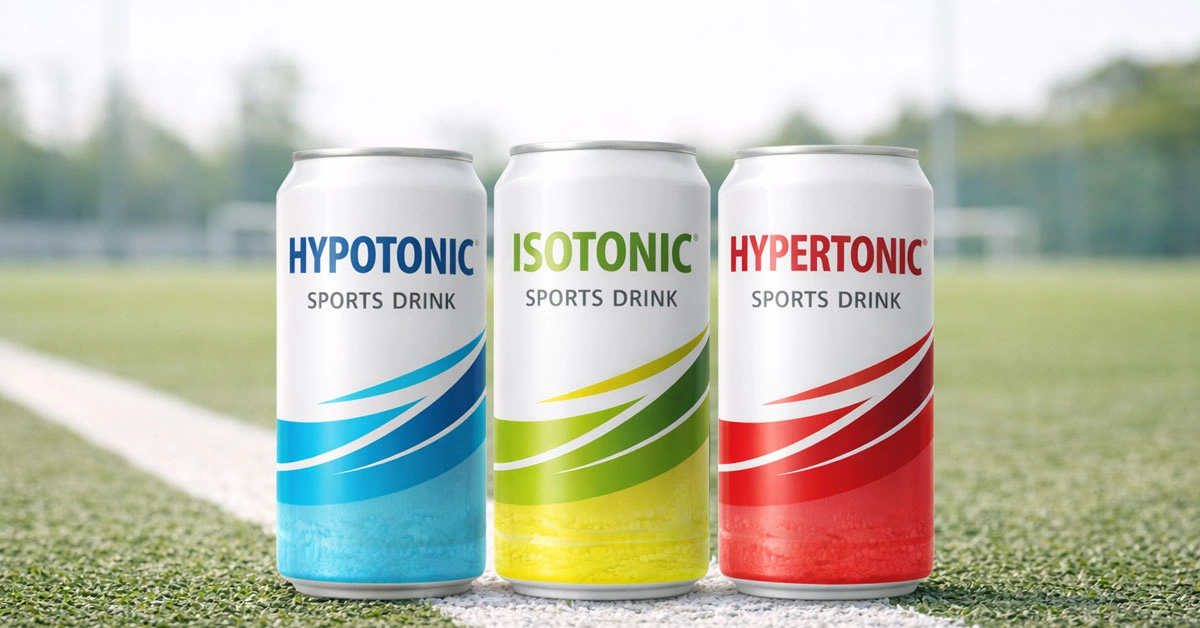
Sports drinks are a serious category. During intensive training you lose up to two litres of fluid per hour, and plain water does not fully cover that loss. Isotonic sports drinks not only replenish fluids, they also supply carbohydrates and electrolytes such as sodium and potassium that you lose through sweating. This is what fundamentally sets them apart from other beverages.
Experts, such as those at the Netherlands Nutrition Centre (Voedingscentrum), confirm that sports drinks containing 30 to 60 grams of rapidly absorbable carbohydrates can significantly improve performance. This makes sports drinks a profitable category for your hospitality or retail business — provided you know which products to use and for whom.
In this article you will discover the 7 best isotonic sports drinks according to experts. You will also find practical purchasing tips and commercial opportunities to make your range profitable. That way you can surprise your customers with the right choice at the right moment.
WHAT ARE SPORTS DRINKS FOR HYDRATION?
Sports drinks contain carbohydrates in the form of glucose and sucrose to replenish glycogen stores, plus electrolytes such as sodium for fluid balance. This composition makes them fundamentally different from ordinary drinks. For retailers and hospitality operators, knowledge of this product category is crucial. It determines your purchasing choices as well as your customer advice.
ISOTONIC, HYPOTONIC AND HYPERTONIC SPORTS DRINKS
Osmolality determines how quickly your customers can absorb a sports drink. This value indicates the number of dissolved particles per kilogram of water. Sports drinks fall into three categories, each with its own application.
Hypotonic sports drinks contain less than 4 grams of carbohydrates per 100 ml and have an osmolality below 270 mOsm/kg. The body absorbs them extremely quickly. This variant suits short efforts or hot weather, when rapid hydration takes priority over energy delivery. Retailers mainly see these products move in the summer months and at fitness centres where customers do shorter workouts.
Isotonic sports drinks have an osmolality between 270 and 330 mOsm/kg and contain 4 to 8 grams of carbohydrates per 100 ml. This composition matches body fluid, allowing optimal absorption. Isotonic variants are the most popular category among endurance athletes and therefore form the basis of any solid sports drink range. They offer the balance between fluid and energy that most athletes are looking for.
Hypertonic sports drinks contain more than 8 grams of carbohydrates per 100 ml and have an osmolality above 330 mOsm/kg. The higher concentration means slower absorption because the drink stays in the stomach longer. Athletes mainly use this variant after exercise to replenish energy reserves. And what about ordinary soft drinks, energy drinks and fruit juices? They also fall into this category and can actually contribute to dehydration during intensive exercise.
KEY INGREDIENTS AND THEIR FUNCTIONS
Carbohydrates form the energy source in sports drinks. Glucose and sucrose replenish the glycogen stores that become depleted during prolonged exercise. Without sufficient glycogen, athletes perform worse. This means that products with 4 to 8 grams of sugars per 100 ml best match the needs of the endurance athletes in your range.
Electrolytes such as sodium, potassium and magnesium regulate fluid balance. Sodium plays the biggest role here because the body loses this mineral the most through sweating. The electrolyte balance determines how much fluid the body retains. Products that contain both carbohydrates and sufficient sodium are allowed to carry the health claim that they promote endurance in endurance sports.
The ratio between these ingredients determines the rate of absorption. Drinks with an osmolality comparable to body fluid are best absorbed through the intestines. For staff in gyms and sports shops, this is a concrete selling point. Customers experience fewer stomach complaints and better performance. They notice that immediately.
THE DIFFERENCE BETWEEN SPORTS DRINKS AND PLAIN WATER
Water contains no carbohydrates and few salts, giving it a low osmotic value. For efforts shorter than an hour and a half, water is perfectly sufficient. During longer or more intensive training sessions, however, you lose not only fluid but also electrolytes and energy.
Sports drinks compensate for all three of these losses at once. They also increase water absorption during physical exertion. Water alone does not restore the electrolyte balance. Athletes who drink only water during long efforts risk muscle cramps and reduced performance.
For hospitality venues near sports facilities, there is a clear commercial opportunity here. Customers who order only water after a marathon or a long bike ride are actually missing the isotonic replenishment their body needs. Staff who understand and explain this difference increase sales of high-quality sports drinks with better margins than mineral water.
Energy drinks high in sugar are hypertonic drinks and therefore unsuitable during exercise. They stay in the stomach longer, leaving less fluid available for absorption. Retailers who make this distinction clear in their product presentation guide customers towards the right choice. That is how you create both value and trust.
WHY SPORTS DRINKS FOR HYDRATION REMAIN POPULAR IN 2026
Demand for isotonic sports drinks is growing, and that is no coincidence. Athletes increasingly understand what their bodies need. At just 2% fluid loss relative to body weight, performance noticeably declines. For a person weighing 75 kilograms, that is only 1.5 litres of sweat. Retailers and hospitality operators who know this respond to it smartly.
GROWING DEMAND FOR HEALTHY SPORTS CHOICES
Modern athletes want to know what they are consuming. Sports drinks with natural ingredients are gaining ground on products full of artificial sweeteners. Many of today's electrolyte supplements are sugar-free and low in calories, often sweetened with natural alternatives. This shift creates opportunities for retailers who carry brands with transparent ingredient lists.
Taste also plays a role here. A pleasant taste encourages intake during prolonged exercise. Customers training for marathons or triathlons test different variants during their preparation. Gyms and cafés near sports facilities see this trend reflected directly in their sales figures for premium sports drinks.
And what about individual differences between athletes? Some sweat relatively little, while others see clear salt rings on their clothing after a training session. This explains why ranges with multiple electrolyte concentrations perform better. Flexible dosing makes products suitable for both daily use and intensive exercise. That way you serve a broad audience with one well-thought-out range.
GROWING AWARENESS OF ELECTROLYTES
Electrolytes regulate fluid balance and support normal muscle function. Sodium plays the biggest role here because it helps the body retain fluid and stimulates the thirst response. As a result, athletes keep drinking better and absorbed fluid is used more effectively. During longer efforts, hot weather or heavy sweating, adding electrolytes genuinely makes the difference.
Athletes can lose 2 to 3 grams of salt per hour through sweat. This explains why plain water is inadequate during marathons. Marathon runners who take 150 millilitres of isotonic sports drink every 5 kilometres consume a total of 112 grams of carbohydrates. This energy prevents the point at which glycogen reserves run out, usually around kilometre 30. To that extent, a well-stocked sports drink range becomes not just interesting for your customers, but downright essential.
Organisers of road races deliberately choose isotonic variants because participants absorb them quickly without stomach complaints. For hospitality venues serving events, there is a direct sales opportunity here. Participants expect products that support recovery after the finish. Sports drinks with the right electrolyte balance meet this need better than soft drinks or coffee.
THE INFLUENCE OF FITNESS TRENDS AND MARATHONS
At all major marathons, refreshment stations with sports drinks are positioned every 5 kilometres. These drinks contain 70 grams of carbohydrates per litre and have an isotonic concentration that guarantees rapid absorption. Although sweat loss in hot weather can amount to 5 litres or more, drinking regularly limits this to 3.6 litres. This difference determines whether athletes make it to the finish.
Runners test during training which sports drink their body tolerates best. This familiarisation prevents surprises during races. Gyms and specialist running shops therefore sell the same brands that are handed out at local events. When you have those brands in stock, you know for certain you are serving the right customer at the right moment.
A general guideline is around 400 to 800 millilitres per hour, depending heavily on sweat loss and conditions. In the run-up to spring marathons, sales of powder variants that athletes can mix at home increase. Retailers notice this in clear seasonal patterns.
Endurance athletes such as cyclists and triathletes lose considerable amounts of sodium during prolonged efforts. This target group demands products specifically developed for extreme conditions. Wholesalers who carry these niche variants serve a growing market segment with higher margins. Educating staff about these differences increases conversion, because customers value targeted advice over a generic recommendation.
HOW RETAILERS AND HOSPITALITY BUSINESSES USE SPORTS DRINKS SMARTLY
The sales success of sports drinks comes down to location and timing. Position isotonic drinks near changing rooms and sports fields where athletes can buy them immediately after exercise. After about 45 minutes of intensive training, replenishing minerals becomes worthwhile. This is how you get the most return from your range.
STRATEGIC PLACEMENT IN GYMS AND CAFÉS
Functional sports drinks stand out by offering targeted support to active athletes. Isotonic variants replenish fluid and energy more quickly during competitions and training sessions. This added value justifies higher retail prices, and athletes are willing to pay more when the product is available at the right moment.
Refrigerators at eye level near the showers convert better than displays at the entrance. Athletes only become aware of their thirst after exercising. So put the product exactly there. Cafés near sports facilities serve customers looking for recovery. A visible range of sports drinks alongside standard soft drinks shows that you understand your customer. That is how you immediately set yourself apart from regular hospitality venues.
BUNDLING WITH OTHER SPORTS NUTRITION PRODUCTS
A strong range starts with well-known brands that cover standard demand:
And what about flavour variety? Citrus and lemon variants perform well across different sports. Wholesale ranges offer complete lines of isotonic drinks for hydration during sport. That way you simplify purchasing and guarantee stock availability during peak periods.
Combine sports drinks with protein bars or recovery shakes. Athletes are more likely to buy multiple products when they are grouped logically. A display with products for during and after training increases your average transaction value. And you don't have to sell aggressively to achieve it.
SEASONAL PROMOTIONS AND OFFERS
The spring months leading up to the marathon season significantly increase demand for powder variants. Retailers who launch promotions in early March reach runners preparing their nutrition strategy. From April onwards, cyclists look for bulk packs for long rides.
In the summer months, demand shifts to ready-to-drink bottles because heat makes rapid hydration a priority. Hospitality venues near swimming pools and outdoor sports facilities would do well to increase their stock of chilled isotonic drinks. Seasonal variants with refreshing flavours such as watermelon or citrus then sell considerably better than standard options.
The team sports season creates bulk sales through sports clubs. Parents order for entire teams, which makes volume discounts from twelve bottles upwards work well. This generates loyalty because clubs return every year for the same arrangement.
EDUCATING STAFF ON PRODUCT KNOWLEDGE
Education substantially increases revenue. Many athletes don't know the difference between isotonic, hypotonic and hypertonic drinks. Canteen staff who explain when which drink works best encourage targeted purchases.
Train your staff on three basic questions: how long has the customer trained, how intensive was the effort, and when will the customer train again. This way you determine together whether isotonic replenishment is needed immediately or whether water will suffice.
"Your body absorbs this drink as quickly as body fluid itself" works better than technical specifications about osmolality. Concrete benefits such as "prevents cramps in your next race" match what your customer really wants to hear. Staff who know which brands contain more sodium for heavy sweaters give accurate advice. You will see that reflected directly in repeat purchases.
THE 7 BEST SPORTS DRINKS FOR HYDRATION ACCORDING TO EXPERTS
Experts select sports drinks based on scientifically substantiated formulas and proven results. These seven products each stand out in their own way. From natural ingredients to patented technology, there is a suitable choice for every athlete and every range.
AMACX ENERGY DRINK – NATURAL INGREDIENTS
Amacx delivers 30 grams of carbohydrates per 31-gram serving of powder in a 2:1 ratio of glucose to fructose. The isotonic mix contains 372 mg of sodium per 30 grams of carbohydrates and is completely free of artificial sweeteners, flavourings and colourings. Moreover, the product is Informed Sport certified, which means every production batch is independently tested for banned substances.
For retailers, this is a premium product with a transparent ingredient list that matches the growing demand for natural sports nutrition. One kilogram yields 32 bottles, which works out at around 94 euro cents per bottle. The Lemon and Forest Fruit flavours are subtle and not overpowering, so athletes continue to appreciate them during long rides. Cheaper variants become too sweet after a few hours — and your customers will notice.
MAURTEN DRINK MIX 320 – HYDROGEL TECHNOLOGY
Maurten contains 80 grams of carbohydrates per 500 ml of water and uses patented Hydrogel Technology. On contact with stomach acid, the drink forms a hydrogel that encapsulates carbohydrates and transports them directly to the small intestine. This allows athletes to absorb twice as many carbohydrates compared with traditional sports drinks.
The product contains alginate and pectin as natural thickening agents derived from seaweed and fruit fibres. The 2:1 glucose-fructose ratio enables absorption of 90 grams of carbohydrates per hour. Top marathon performers build their entire nutrition strategy around this drink. And what about recognisability among your customers? Participants in major marathons know this brand and trust it, which strongly stimulates impulse purchases at your location.
HIGH5 ENERGY DRINK – MAXIMUM CARBOHYDRATES
High5 delivers 44 grams of carbohydrates per 500 ml bottle in a 2:1 maltodextrin-fructose ratio. This composition uses two different transport routes in the intestine, making absorption of up to 90 grams of carbohydrates per hour possible. The product contains 240 mg of sodium per 47-gram serving.
High5 has been producing sports nutrition since 1994, and this isotonic drink is part of the standard kit in the professional peloton. The fresh, slightly tart citrus flavour remains easy to drink during long endurance sessions. Retailers can choose between 2.2-kilogram tubs for 46 bottles or convenient sachets for on the go. That way you serve both the serious cyclist and the athlete looking for a convenient on-the-go solution.
BORN ISO PRO – FRESH TASTE AND BALANCE
Born combines carbohydrates with sodium in a 2:1 glucose-fructose ratio that maximises carbohydrate absorption up to 90 grams per hour. The product was developed in collaboration with Team Argos-Shimano, and you can tell from the formula. The red fruit-pomegranate flavour is not too sweet and not sticky, even after hours of training.
For 500 ml you dissolve 40 grams of powder, which yields one bottle. The recommended dosage is 500 ml before exercise and then a regular 250 ml every 20 minutes. This makes Born suitable for training sessions and races of 1 to 3 hours. Packs of 400 grams yield 5 litres, while 2-kilogram tubs contain no fewer than 50 servings. This allows you to offer the right size for every customer need.
POWERBAR ISO ACTIVE – RAPID ABSORPTION
PowerBar delivers 29 grams of carbohydrates per serving and contains the five most important electrolytes. The product is enriched with C2MAX for faster absorption of carbohydrates and electrolytes. Artificial additives are completely absent. The isotonic formula supports both energy levels and fluid balance during intensive exercise.
Available flavours are Lemon, Orange and Red Fruit Punch. PowerBar is an internationally known brand with high name recognition, which directly supports your sales at gyms and hospitality venues. Customers recognise the brand, and that lowers the barrier to purchase.
SIS GO ELECTROLYTE – FOR SALTY SWEATERS
SiS delivers 36 grams of carbohydrates per 35-gram dose of powder with 400 ml of water. The product is rich in sodium, potassium, calcium and magnesium — precisely the electrolytes athletes lose through sweat. The Informed Sport Registered certification guarantees a doping-free composition.
Does your customer train in hot conditions or lose a lot of fluid? Then SiS recommends up to 1 litre per hour at temperatures above 30 degrees Celsius. Packs of 500 grams and 1 kilogram serve both individual athletes and teams. The flavours Lemon & Lime, Orange, Tropical and Black Currant provide plenty of variety in your range. That way you can offer every customer the right choice.
NEAPHARMA PRO ISOTONIC – FOUR TYPES OF CARBOHYDRATES
Neapharma contains 32 grams of carbohydrates per 35-gram serving in four different forms: maltodextrin, fructose, sucrose and dextrose. This combination releases energy at different rates, resulting in an even effect throughout the entire effort. The isotonic concentration of 303 mmol/l ensures smooth absorption of carbohydrates and minerals.
The product contains 1 gram of salt per bottle, an extensive mineral profile and a neutral pH that prevents stomach and intestinal discomfort and protects tooth enamel. Dextrose delivers results after just 4 minutes, while sucrose continues to supply energy slowly. Packs of 1.5 kilograms yield at least 43 doses. Developer Kristof de Kegel is performance manager at Alpecin-Deceuninck and developed the 6-carbohydrate strategy for 35% more energy absorption. You can be certain that with this product your customers have the best scientific backing in hand.
VARIANTS, PACKAGING AND APPLICATIONS
Powder or ready-to-drink — for many retailers that is the first choice when purchasing sports drinks. Both formats serve different needs, and the margins vary considerably. We are happy to look with you at what best suits your situation.
POWDER FORM VERSUS READY-TO-DRINK BOTTLES
Powder variants are gaining popularity among retailers because customers determine the concentration and flavour strength themselves. For multi-day events or sports camps, powder is more practical than carrying bottles. Moreover, a tub of sports drink powder costs considerably less per serving compared with ready-to-drink bottles. Runners and cyclists prefer to keep a tub of powder in the pantry rather than lugging bottles around.
Small packs such as sachets offer mobility for athletes on the go. You can advise athletes to make their own sachets by dividing the desired amount of powder into sandwich bags. That way you make powder suitable for wholesalers serving sports clubs and teams. Ready-to-drink bottles, on the other hand, remain indispensable for impulse purchases at gyms, sports canteens and cafés where customers expect immediate consumption. This way you cover both sides of the market.
SUGAR-FREE AND NATURAL ALTERNATIVES
Demand for sugar-free sports drinks is growing among athletes seeking hydration without extra calories. Sugar-free variants suit weight loss goals or training sessions shorter than 90 minutes. And what about effervescent tablets such as PowerBar Electrolyte Tabs, with five electrolytes in the right proportions? Each tube provides ten tablets, making transport easy.
Available flavours are Black Currant, Mango Passionfruit, Raspberry Pomegranate, Pink Grapefruit and Lemon Tonic. That way you can offer health-conscious athletes and fitness customers products that match their goals. Hydrate Electrolyte effervescent tablets remain by far the best-selling sugar-free option, with twenty tablets per tube good for just as many bottle fills.
PACKAGING FORMATS FOR RETAIL AND HOSPITALITY
Sports drinks come in can trays of 24x33cl, crates with 20cl bottles and PET bottles up to 50cl. At wholesalers you will find isotonic drinks, energy drinks for a quick boost and electrolyte variants for recovery. Sugar-free and low-calorie options serve health-conscious athletes. That way you never have to say 'no' to a customer.
Bag-in-box systems of 3 to 20 litres extend shelf life via a flexible inner bag with an oxygen barrier. For hospitality businesses where ease of dispensing is paramount, this format offers clear advantages. At the same time, standard PET bottles of 33cl and 50cl perform best at sports canteens and fitness centres, thanks to easy portion control.
SPECIAL VARIANTS WITH CAFFEINE OR MAGNESIUM
The Lemon Tonic and Pink Grapefruit flavours of PowerBar Electrolyte Tabs contain 75 mg of caffeine per tablet. This combination of hydration and a stimulating effect attracts endurance athletes taking on long efforts. Magnesium supports muscle and nerve function, calcium maintains healthy bones and muscles. Sodium regulates fluid balance, potassium maintains heart function and chloride supports muscle contractions.
For retailers, these specialised variants mean an attractive margin, because customers are willing to pay a premium for added value. Ranges with both basic isotonic drinks and caffeine-enriched options cover the full spectrum of demand, from the recreational athlete to the serious competitor. This gives you a nice spread across your range.
COMMON MISTAKES WHEN BUYING AND SELLING SPORTS DRINKS
Purchasing mistakes with sports drinks cost you revenue directly. Four common missteps determine whether your range matches actual customer needs. Do you know which mistakes are holding back your sales?
TARGETING THE WRONG AUDIENCE
Sports drinks are often aimed at men, while 60% of relevant sports content is viewed by women. This means that marketing and product presentation in your sports canteen or fitness bar must appeal to both genders. Advertisers who use only demographic data miss a large part of their target audience.
A target audience that is too broad or too narrow limits your conversion. Athletes training for a marathon have different needs than gym-goers doing an hour of cardio. Isotonic drinks suit endurance athletes, while recreational athletes often prefer hypotonic variants. Regularly evaluate which customer segments actually buy from you and adjust your range accordingly. That way you ensure your shelves match who is actually standing at your counter.
AN INSUFFICIENT RANGE OF FLAVOURS
Early sports drinks were dominated by sickly-sweet flavours, but nowadays customers expect variety. Not every consumer likes the same flavours. And what about athletes who adjust their preference to the season? Citrus flavours sell better in summer, while fruity variants are more popular in team sports.
Incidentally, flavour says nothing about how a sports drink works, since isotonic, hypotonic and hypertonic variants are all available in flavours such as tropical, blueberry and lemon. Sellers should stock at least hypotonic and isotonic sports drinks. A range with only two flavours underperforms because athletes have different preferences during training versus competition.
A LACK OF KNOWLEDGE ABOUT OSMOLALITY
Many athletes don't know the difference between isotonic, hypotonic and hypertonic drinks. Canteen staff who explain when which drink works best encourage targeted purchases. Education substantially increases revenue.
Isotonic drinks have an osmolality between 270 and 330 milliosmoles per kilogram of water, but this technical specification interests your customer less than practical benefits. Train staff to explain that isotonic drinks are absorbed as quickly as body fluid itself. This concrete explanation sells better than vague claims about hydration. Without product knowledge, you are selling generic soft drinks at sports drink prices. You will notice that directly in your margins.
PRICING TOO HIGH RELATIVE TO VALUE
Functional sports drinks justify higher retail prices because athletes and parents are willing to pay more for performance improvement. However, the price premium must be clearly linked to added value. An isotonic drink that costs 300% more than water must offer measurable benefits during efforts longer than 45 minutes.
Communicate why premium sports drinks are worth their price. Faster absorption, electrolyte balance and energy delivery distinguish these products from cheap alternatives. Customers who understand this value accept higher margins without resistance. You can genuinely build on that willingness — provided your staff know the story behind the product.
FAQ: FREQUENTLY ASKED QUESTIONS ABOUT SPORTS DRINKS
Customers regularly ask questions about sports drinks. The right answers help your staff give targeted advice and sell the right products.
WHEN DO YOU REALLY NEED A SPORTS DRINK?
Sports drinks are intended for intensive and prolonged exercise. For efforts longer than 60 to 90 minutes, or when you sweat heavily, an isotonic sports drink becomes worthwhile. During shorter training sessions, water is perfectly sufficient. At higher temperatures you lose up to 1 to 2 litres of fluid per hour, which makes sports drinks necessary. This is precisely the distinction your staff must be able to explain to customers.
CAN YOU MAKE AN ISOTONIC SPORTS DRINK YOURSELF?
An isotonic sports drink consists of three basic ingredients: water, sugar and salt. For a 500 ml bottle you use 4 to 8 grams of carbohydrates per 100 ml and about 0.5 grams of salt. Here is how it works, for example: 50 ml of fruit syrup with 60–70 grams of carbohydrates per 100 ml, topped up with 450 ml of water and a pinch of salt. You can also mix 40 ml of honey with 460 ml of green tea and a pinch of salt for a natural variant. And what about budget-conscious athletes who want to prepare this at home? They appreciate the advice of well-informed staff.
HOW MUCH SPORTS DRINK SHOULD YOU DRINK PER HOUR?
A general guideline is around 400 to 800 millilitres per hour. For endurance efforts of 1 to 2.5 hours, an intake of 30 to 60 grams of rapidly absorbable carbohydrates helps improve performance. If you exercise for longer than 2.5 to 3 hours, intake can rise to 90 grams of carbohydrates per hour. Every level of effort has its own requirements, and your range can match them.
ARE SPORTS DRINKS SUITABLE FOR WEIGHT LOSS?
Sports drinks contain between 130 and 200 kilocalories per bottle. For athletes who want to lose weight, these are extra calories that count. During normal training sessions, these calories are not always necessary. Sugar-free variants are then a better fit, especially for efforts shorter than 90 minutes. You can guide customers with this goal directly to the right choice. That way your advice becomes a reason to come back.
COMPARISON TABLE
This gives you an at-a-glance overview of what each section offers. Useful for purchasing, for staff training and for your range selection.
COMPARISON TABLE: OVERVIEW OF ARTICLE SECTIONS ON SPORTS DRINKS
Section Key content Commercial relevance Target audience
| What are sports drinks for hydration? | Explanation of isotonic (270–330 mOsm/kg), hypotonic (<270 mOsm/kg) and hypertonic (>330 mOsm/kg) drinks. Contain carbohydrates (glucose, sucrose) and electrolytes (sodium, potassium, magnesium). | Product knowledge for staff; helps with customer advice and the right range selection. Isotonic drinks are the most popular category. | Retailers, gyms, hospitality near sports facilities |
| Why sports drinks remain popular in 2026 | Growing demand for natural ingredients, sugar-free variants and electrolyte awareness. At 2% fluid loss, performance noticeably declines. Marathon runners take in 112 grams of carbohydrates via sports drinks. | Trend towards premium products with transparent ingredients. Seasonal peaks around marathons (spring) and summer. | Gyms, event hospitality, specialist sports shops |
| How retailers and hospitality use sports drinks smartly | Strategic placement near changing rooms and sports fields. Bundling with sports nutrition. Seasonal promotions (spring for marathons, summer for hydration). Staff education increases revenue. | Higher margins through functional positioning. Bulk sales to teams. Refrigerators at eye level convert better. | Gyms, cafés near sports facilities, retailers, wholesalers |
| The 7 best sports drinks according to experts | Amacx (30g carbs, 372mg sodium), Maurten (80g carbs, hydrogel technology), High5 (44g carbs), Born (2:1 glucose-fructose), PowerBar (29g carbs, C2MAX), SiS (36g carbs, high sodium), Neapharma (32g carbs, 4 types of carbs). | Premium brands with scientific backing. Informed Sport certification. Prices range from €0.94 to premium. | Gyms, cyclists, marathon runners, triathletes |
| Variants, packaging and applications | Powder vs ready-to-drink bottles. Sugar-free variants (PowerBar Electrolyte Tabs). Packaging: 24x33cl can trays, 20cl crates, PET bottles, bag-in-box (3–20L). Special variants with caffeine (75mg) or magnesium. | Powder: lower cost per serving, suitable for teams. Bottles: impulse purchases. Bag-in-box: dispensing convenience for hospitality. Higher margins on specialised variants. | Wholesalers, sports clubs, hospitality, fitness centres |
| Common mistakes in buying and selling | Wrong target audience (60% of sports content viewed by women). Insufficient flavour range. Lack of knowledge about osmolality. Pricing too high without value communication. | Stock at least hypotonic and isotonic variants. Multiple flavours essential. Staff must be able to explain practical benefits, not technical specs. | Retailers, gyms, hospitality, buyers |
| FAQ: Frequently asked questions | Needed for >60–90 min of exercise or heavy sweating. DIY: 4–8g carbs per 100ml + 0.5g salt. Dosage: 400–800ml/hour, 30–90g carbs/hour depending on duration. Sports drinks contain 130–200 kcal per bottle. | Education for staff to advise customers. Sugar-free variants for weight loss. DIY options as an alternative for budget-conscious customers. | Gyms, retailers, hospitality |
Notes for business buyers:
CONCLUSION
Sports drinks are a profitable category, provided you know what you are offering and for whom. Isotonic variants form the basis of any strong range. The seven brands discussed deliver proven results across different target groups, from recreational athletes to serious marathon runners and cyclists.
Your commercial success depends on more than just the right products. Strategic placement near changing rooms, well-planned seasonal stock and staff who can translate osmolality into practical benefits make the difference. So choose powder variants for teams and wholesale, and ready-to-drink bottles for impulse purchases.
Make sure you stock at least hypotonic and isotonic options in multiple flavours. Avoid the four purchasing mistakes mentioned and you will build loyalty among athletes who return for expert advice. When you can offer your customers the right drink at the right moment, you can be sure they will keep coming back.
You decide how to organise your range, but we are certain that a fresh look at sports drinks will make your hospitality or retail business considerably more attractive. For yourself, but above all for your customers.