
A-brands, competitive prices
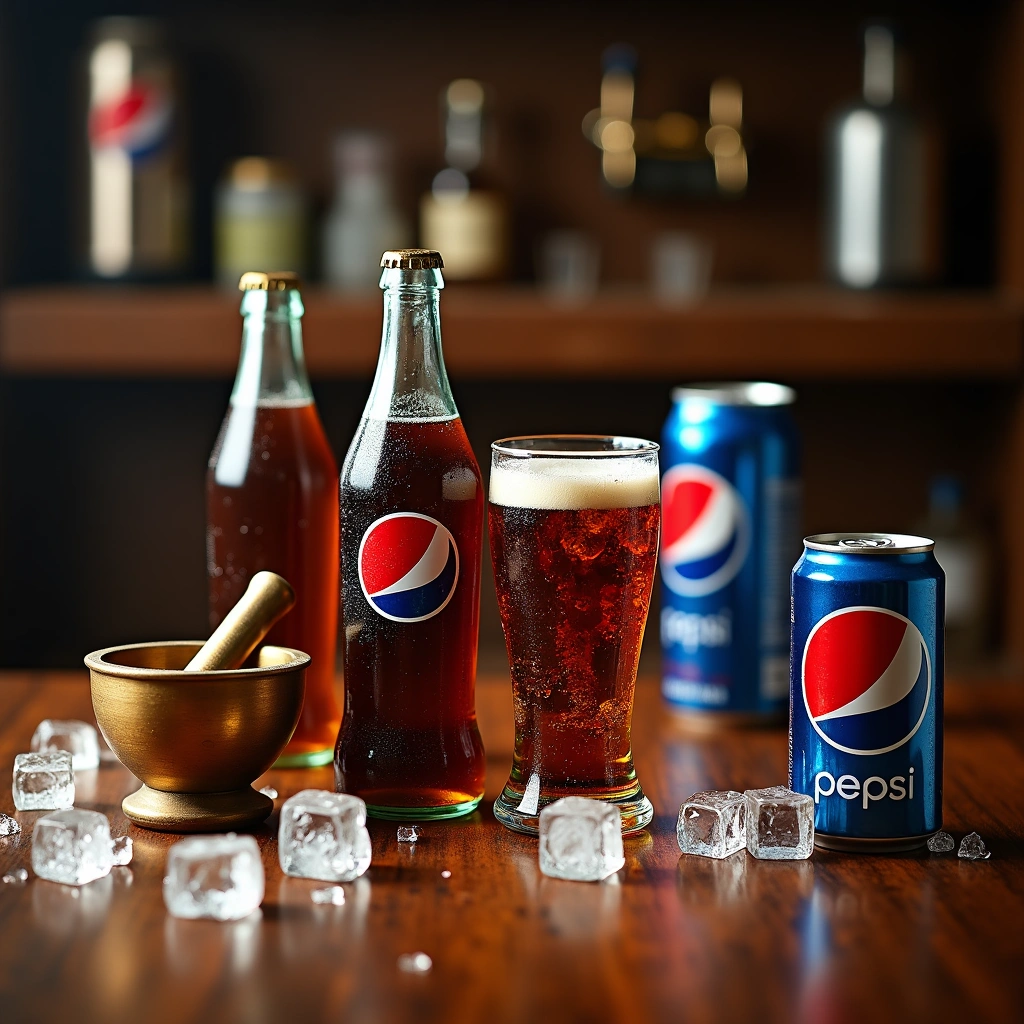
The history of Pepsi begins in a pharmacy in North Carolina. It was there, in 1893, that pharmacist Caleb Bradham created a digestive drink that would eventually grow into one of the most recognisable soft drinks in the world. Today, Pepsi generates billions in revenue annually and the brand is active in dozens of countries.
What makes this history so interesting for hospitality entrepreneurs and retailers? The history of PepsiCo shows how clever brand building and product development can keep a brand relevant, even after more than 130 years. That offers valuable insights for your own range selection and market positioning.
The following sections take you through the rise of Pepsi, the current brand strategy and what this means in concrete terms for your business.
WHAT IS PEPSI? THE HISTORY OF AN ICONIC SOFT DRINKS BRAND
Around 1890, Caleb Bradham developed a soft drink in his pharmacy on the corner of Middle Street and Pollock Street in New Bern. He simply called the drink "Brad's Drink", and it contained carbonated water, sugar, vanilla, rare oils, pepsin and kola nuts. Bradham had a medical background and firmly believed in the digestive benefits of his creation.
On 28 August 1898, the name was officially changed to "Pepsi-Cola", derived from dyspepsia and cola. The trademark was registered on 16 June 1903. Shortly before that, in December 1902, Bradham founded the Pepsi-Cola Company and handed the pharmacy over to an assistant so that he could focus entirely on producing the drink.
The growth that followed was impressive. In 1905, Bradham began bottling in 6-ounce bottles and granted two franchises. By 1910, around 300 bottlers were already operating across 24 states. Syrup sales reached almost 20,000 gallons in 1904. In this way, a pharmacy drink grew into a serious enterprise in a short space of time.
After seventeen years of success, however, things went wrong. Bradham's speculation on rising sugar prices led to bankruptcy in 1923. In 1931, Loft Candy Company bought the brand, after which director Charles G. Guth reformulated the recipe. Pepsi recovered and made history in 1940 with the first national advertising jingle. A brand that seemed destined to fail came back stronger than ever.
WHY PEPSI REMAINS POPULAR IN 2026
In 2026, Pepsi is rolling out a refreshed visual identity across more than 120 markets, including the Netherlands. Electric blue and black give the classic colour scheme a contemporary look, while the brand philosophy 'Thirsty for More' reflects what drives the target audience: a constant search for new experiences. Consumers, it turns out, spontaneously draw the name Pepsi inside the globe, a visual element that was also used fourteen years ago. This natural recognition is deeply embedded in the collective memory and significantly increases visibility on your shelf.
At the same time, Pepsi MAX is becoming Pepsi Zero Sugar. Not all consumers immediately associated MAX with being sugar-free, so the new name provides instant clarity when communicating with your guests. An existing product suddenly becomes far easier to explain at the till or on the menu.
What makes this particularly interesting for hospitality and retail: 60% of cola is consumed with a meal. Pepsi deliberately plays into this with the 'Better With Pepsi' campaign, from weekend barbecues to takeaway meals. In this way, the brand positions itself not as an ordinary soft drink, but as a fixed part of the eating occasion. When you include Pepsi cleverly in your range, you benefit directly from that commercial appeal.
HOW RETAILERS AND HOSPITALITY BUSINESSES MAKE SMART USE OF PEPSI
At the end of Q1 2026, Vrumona is introducing the new AXL 20cl premium bottle for Pepsi in the Dutch hospitality sector. It is the biggest relaunch in years and turns every serve into a visible brand touchpoint. The introduction was launched in grand style at Horecava in January with a refreshed B2B campaign. In this way, Pepsi becomes not just a drink, but a brand experience that immediately catches your guests' attention.
For retailers, there are concrete opportunities in clever shelf layout. Research by PepsiCo shows that placing crisps and soft drinks directly opposite each other on the shelf increases sales in both categories. In addition, up to 45% of crisp and snack volume is sold at the weekend. This allows you to optimise the in-store trip and increase revenue per customer.
In the hospitality sector, Pepsi offers dispensing equipment, including postmix systems that mix soft drinks on site with CO₂, water and syrup. Subway extended its partnership with Vrumona for no fewer than five years, with 71% of the water and soft drink volume supplied being low-calorie. That says a great deal about the brand's commercial appeal for large-scale hospitality chains.
Moreover, PepsiCo has been growing faster than Coca-Cola in both volume and value since 2009. This leaves you with an attractive margin through strategic purchasing. And you will notice that directly in your business's results.
VARIETIES, PACKAGING AND USES OF PEPSI
Pepsi has a broad product portfolio. Pepsi Regular, Pepsi Zero Sugar, Pepsi Zero Sugar Cherry, Pepsi Zero Sugar Lemon and Pepsi Zero Sugar Zero Caffeine give you, as a retailer or hospitality entrepreneur, the flexibility to have the right choice ready for every guest. The Zero Caffeine variety offers maximum flavour without sugar or caffeine, handy for guests who prefer to avoid stimulating drinks in the evening. And what about Pepsi Electric? A limited edition with a zesty citrus flavour and a striking blue colour, developed specifically for Generation Z, and sugar-free. With Pepsi, there is something to suit every taste and preference.
For retailers, the packaging formats are commercially attractive. Pepsi Regular in 4x1.5L multipacks offers a sharp price per litre, while the 6x50cl PET bottles are ideal for individual portions that stay fresh for longer thanks to the resealable format. Pepsi Max in 330ml cans works extremely well as a mixer with alcoholic drinks. You have the flexibility to use the right packaging for each situation and thereby create more value for your customer.
In the hospitality sector, Pepsi works excellently as a mixer. BACARDÍ Spiced, for example, combines with any type of cola for a bold twist on the classic rum and cola. The carbonated water, sugar, colouring, flavourings with caffeine, phosphoric acid and sweeteners provide the distinctive Pepsi taste that consumers recognise.
In addition, PepsiCo has been reducing sugar across its portfolio by 5% annually since 2015, meaning that 64% of the range now contains fewer than 5 kcal per 100 millilitres. This ties in directly with the growing demand for healthier choices in hospitality and retail. You can therefore always offer your guests a relevant option.
COMMON MISTAKES WHEN BUYING AND SELLING PEPSI
Stock rotation is something many retailers and hospitality entrepreneurs underestimate when purchasing Pepsi. Once products leave the distribution depots, the manufacturer's control over rotation and stock at points of sale comes to an end. Products past their best-before date must not be offered for sale. In case of doubt, customers have the right to return for a refund or replacement. This helps you avoid complaints and protects your reputation as a reliable point of sale.
Technical packaging requirements are a hurdle that can cause problems sooner than expected. A missing or incorrect EAN barcode blocks products in the system immediately, as retailers scan both on receipt and at the till. Retailers also require specific information on packaging, such as ingredient lists, allergen information and country of origin. Anyone who does not have this in order risks delays or rejection at listing.
Logistical specifications are set out in vendor manuals with concrete requirements for shipping box dimensions, weight limits per pallet and warehouse labelling. Some large retailers also require shelf-ready packaging that can be placed directly on the shelf as a display box, without individual unpacking. Anyone who fails to anticipate this will face additional costs or rejection at the distribution centre.
Then there are the storage conditions. Constant temperatures and dark, dry storage preserve carbonation for longer, while warm storage accelerates quality loss through pressure fluctuations. Cans also protect better against oxygen and light than PET. In this way, you keep product quality up to standard and avoid unnecessary losses in your range.
CONCLUSION
The history of Pepsi shows that a strong brand continually reinvents itself. From pharmacy drink to global soft drinks brand, Pepsi remains relevant through clever product development and a clear brand philosophy. That also makes the range commercially attractive for your business.
The new AXL premium bottle, the Zero Sugar varieties and the focus on eating occasions offer concrete opportunities to increase your margin and serve your customers better. Pay attention to correct stock rotation, the right storage conditions and the technical specifications when purchasing. That way, you get the most out of your Pepsi range.
Pepsi is more than a familiar name on the shelf. It is a brand that appeals to your guests and supports your revenue. You really can build on that commercial foundation.