
A-brands, competitive prices
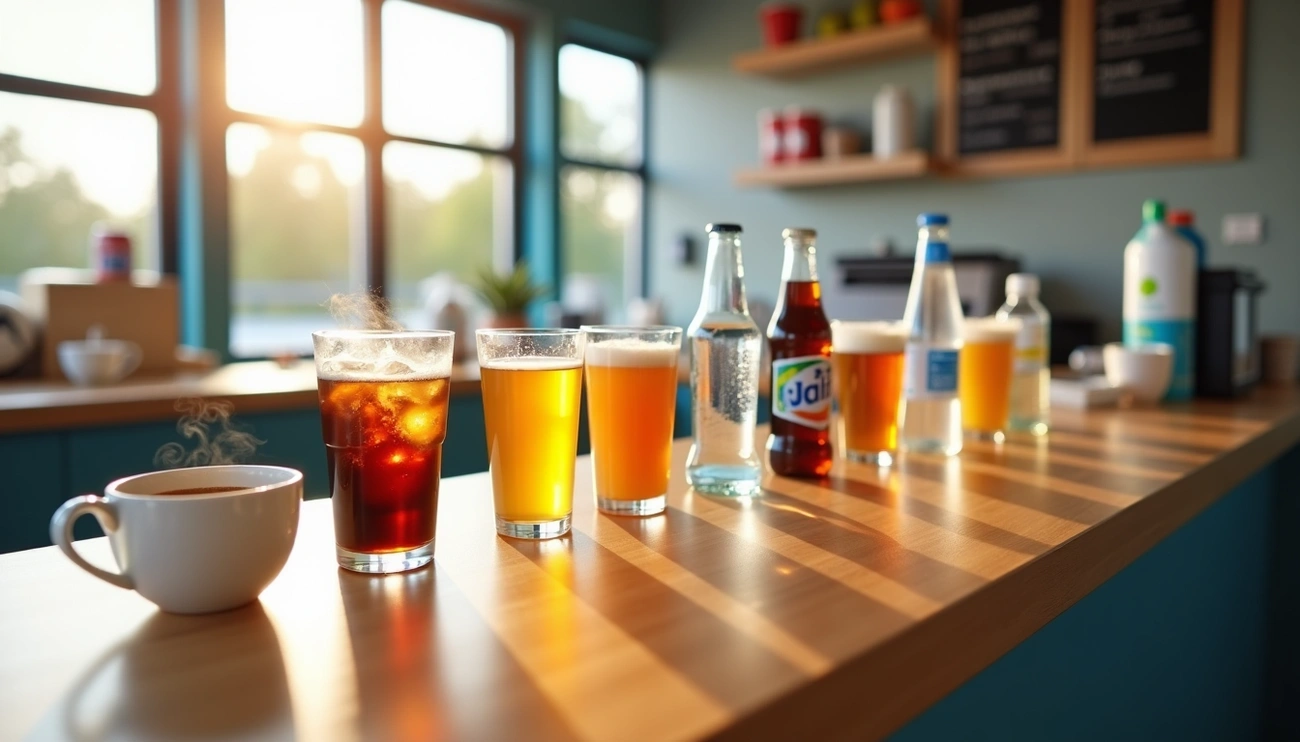
Cola and energy drinks are both known for their caffeine content, but the differences are bigger than many people think. A standard 250 ml can of energy drink contains about 80 mg of caffeine, while a 200 ml glass of cola contains only 15 to 60 mg. That means energy drinks contain, on average, four times as much caffeine as cola.
For hospitality entrepreneurs and retailers, this is not a minor detail but precisely the kind of knowledge that makes the difference when advising customers. Consumers are making increasingly conscious choices and more often wonder how much caffeine there is in cola zero compared to coffee. As a result, the need for clarity about what is really in their favourite drink keeps growing.
We have listed the caffeine levels of the most popular drinks. This way, you get practical insights that you can apply directly to your product range decisions.
CAFFEINE CONTENT: COLA VERSUS ENERGY DRINKS
The differences in caffeine content per brand and package size are greater than you might expect. A 330 ml can of Coca-Cola contains 36 mg of caffeine, while Cola Zero in the same packaging comes to 46 mg. For a 200 ml glass of cola, it is about 20 mg. A 250 ml can of Red Bull contains exactly 80 mg of caffeine. That is four times as much as an average glass of cola.
And what about the larger formats? A 500 ml Monster Energy contains 160 mg of caffeine, comparable to two cups of filter coffee. By comparison: a 250 ml can of Coca-Cola Zero contains only 24 mg, while a 125 ml cup of coffee already delivers 60 mg of caffeine. This makes it clear that, in terms of caffeine, cola zero is much closer to soft drinks than to coffee.
The Dutch Commodities Act (Warenwet) also sets clear limits that directly affect your product range. Soft drinks such as cola may contain a maximum of 150 mg of caffeine per litre. Energy drinks may contain up to 350 mg per litre. Products above 150 mg per litre must carry the mandatory statement: "High caffeine content. Not recommended for children or pregnant or breastfeeding women." Your customers see this labelling immediately, and it influences their purchasing decision. Knowing these limits helps you put together your product range consciously and responsibly.
HEALTH EFFECTS AND SAFETY OF CAFFEINE
Caffeine blocks adenosine, a substance that signals fatigue in the brain. Within 30 to 120 minutes after consumption, customers feel more alert and focused. The European Food Safety Authority confirms that 75 mg of caffeine or more measurably increases alertness. That directly explains why energy drinks are so popular with customers who need a quick boost.
But overconsumption also carries risks. Too much caffeine causes restlessness, heart palpitations, headaches, and sleep problems. For healthy adults, the safe upper limit is 400 mg per day and a maximum of 200 mg per serving. Pregnant women and breastfeeding mothers should not consume more than 200 mg per day. Exceeding this increases the risk of miscarriage and growth restriction in the baby. These are facts your customers increasingly know and ask questions about.
And what about children? For them, EFSA applies a limit of 3 mg per kilogram of body weight. A child weighing 40 kilograms may therefore have a maximum of 120 mg per day, with an absolute maximum of 150 mg. A single 250 ml can of energy drink already contains 80 mg. That makes choosing the right product for your range considerably more relevant. In addition, sensitivity varies greatly from person to person. Some customers experience side effects after one cup of coffee, while others tolerate six cups without any complaint. You can truly build on this knowledge when advising your customers.
MAKING SMART CHOICES FOR CONSUMERS AND BUSINESSES
A varied fridge is much more attractive to your customers than a range with only water and cola. Hospitality entrepreneurs who combine sparkling water, unsweetened iced tea, and sugar-free soft drinks offer the right choice for every moment. Demand for sugar-free variants is growing strongly. At Monster Energy, a third of sales already consists of zero sugar products. And what about smaller 250 ml formats? Supermarkets are already experimenting with these to limit sugar intake, although consumers then often buy two smaller cans.
For customers who want to limit caffeine, there are plenty of interesting alternatives. Black and green tea contain caffeine and also lower blood pressure. Matcha contains about 30 mg of caffeine per gram of powder. A power smoothie with banana, cocoa, oats, and almond milk provides carbohydrates, B vitamins, and healthy fats, without the sugar spike of energy drinks. When you offer your customers these kinds of alternatives, you can be sure they will keep coming back.
When putting together your product range, pay attention to the sugar content per 100 ml as well as per package, because a small package can still contain a lot of sugar. Also check the caffeine content for customers who are sensitive to restlessness. Energy drinks sell strongly through sports canteens, festivals, and hospitality venues via chilled impulse sales at checkouts. Tray packaging such as 12x250ml also ensures stock security and quick replenishment. This makes your product range far more interesting — for you and for your customers.
CONCLUSION
The difference in caffeine content between cola and energy drinks is greater than many people think. When you take this as the starting point for putting together your product range, you make more conscious choices for your customers.
Combine cola, sugar-free variants, and energy drinks with different caffeine levels and package sizes. That way you serve every customer segment and create more value for your customer. You will see this reflected directly in your revenue.
You can always request a free, no-obligation quote from us for the full range of soft drinks and energy drinks. You decide which products best suit your customers, but we are confident we can make you the best offer.