
A-brands, competitive prices
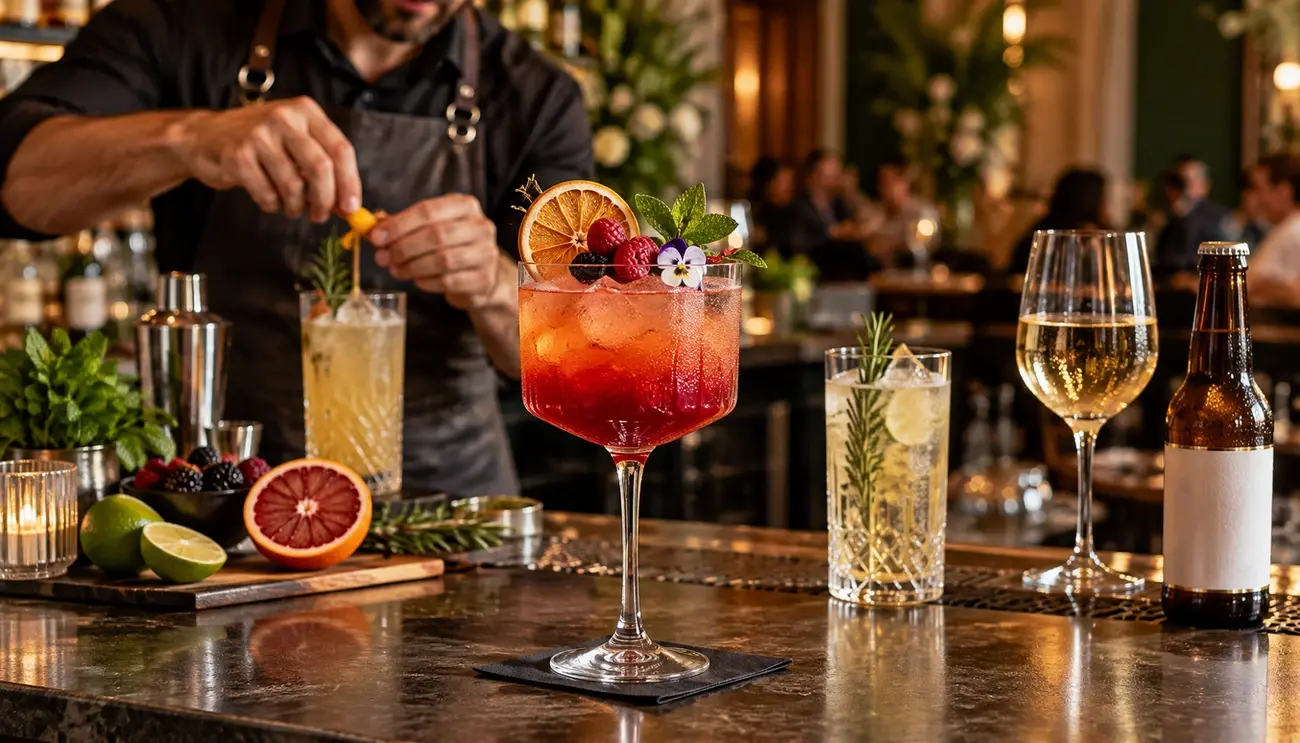
Mocktails have secured a permanent place on the drinks menu. Even so, 26 per cent of Dutch restaurant-goers regard these drinks as nothing more than “expensive squash”. That is striking, given that almost three quarters of hospitality operators, 73 per cent, expect demand to increase further over the coming year. Sales of alcohol-free beer also grew by 7.7 per cent in the first half of 2026.
The demand is there, and it is growing. As a hospitality operator or buyer, you want to turn this growth directly into returns. Delicious mocktails, such as a piña colada mocktail, appeal to both health-conscious guests and designated drivers. When you buy mocktails with the right presentation and flavour, you increase not only your turnover but also your margin. That way, your mocktail offering becomes a lasting revenue model rather than a temporary sideline.
A mocktail is an alcohol-free cocktail that offers the same balance of flavour and presentation as a regular cocktail, just without the alcohol. The difference from a glass of soft drink lies in how it is built: syrups, fresh herbs, bitters and garnishes create the same complexity as a cocktail. A mocktail is therefore not simple squash, but a carefully composed drink with several layers of flavour.
The figures speak for themselves. By now, 87.9 per cent of Dutch adults have tried an alcohol-free product at some point. In 2018, 9.6 per cent of Dutch adults drank alcohol-free beer every month; by 2024, that had risen to 16.7 per cent. In hospitality, alcohol-free cocktails are among the most popular choices on the menu, second only to gin. Taste and social occasions are the two main drivers, according to research by NielsenIQ.
Yet in many venues, the offering still lags behind this demand. As a result, hospitality businesses miss out on up to €437 million in turnover every year. That is reason enough to give delicious mocktails a serious place on your menu. Think, for example, of a piña colada mocktail with pineapple, coconut cream and lime. If you are looking to buy mocktails for the coming season, you will cater to both mindful drinkers and designated drivers, without compromising on experience.
Hospitality operators who take mocktails seriously use them structurally as a revenue model, not as an afterthought alongside the cocktail menu. A dedicated section on the menu, with creative names and stylish garnishes, ensures guests see the drink as a fully fledged alternative rather than an overpriced soft drink. It is a small difference in presentation that makes a big difference to turnover.
Staff play a direct role in this. Guests order alcohol-free drinks more often when staff actively recommend them while taking the order. A simple question at the table can work as a sales strategy in itself.
There is a tax advantage to be had as well. In the Netherlands, alcoholic drinks are subject to the 21% VAT rate, whereas alcohol-free and low-alcohol drinks up to 1.2% ABV fall under the reduced 9% rate. That difference feeds straight through to your margin per glass, without you having to do anything extra.
Venues that buy mocktails for convenience and reliable stock are increasingly opting for ready-to-serve 0.0 cocktails, such as Sir James Mojito Mocktail or ISH Spritz Alcohol-Free. Chill, pour and serve, with no shaker or separate ingredients required. And just think of the convenience this brings during busy services.
Three strategies deliver immediate results in day-to-day practice:
This makes selling mocktails far more attractive for you, and above all for your guests.
A sound revenue model starts with the right pricing. First calculate the cost price per glass: add up the purchase price, syrups, garnish and an average waste margin of 5%. Hospitality operators typically work with a gross margin of between 65% and 75%, or a cost of sales of around 30%. That way, you know exactly what you earn per glass and can set your selling price with confidence.
Practice shows that this model works. At The Streetfood Club, mocktails now account for 15% of total cocktail sales, with a higher cash margin than soft drinks. Other operators aim for a purchase cost of 25 to 30%, with selling prices between €7.50 and €13.50 per glass. This leaves you with an attractive margin and room for the occasional price promotion.
Do you also sell mocktails as pre-mixed bottles through a retail channel? Then bear labelling in mind. All 14 regulated allergens must be clearly identifiable in the ingredients list, for example in bold type. If there is no ingredients list, state “contains [allergen]” alongside the product name. That way, you avoid problems and your customer is always well informed.
Three steps keep the revenue model clear:
This ensures growing demand becomes a structural revenue model, not just a passing trend.
Mocktails and alcohol-free 0.0% drinks are not a passing fad. They are a structural revenue model that delivers immediate returns for you as a hospitality operator or buyer. Accurate cost pricing, the VAT advantages of alcohol-free drinks and ready-to-serve options such as Sir James Mojito Mocktail all contribute to higher margins per glass.
Choose quality over quantity. Three well-crafted mocktails on the menu achieve more than ten mediocre ones. You will notice it straight away in your turnover, and above all in your guests’ experience.
We are confident that those who invest seriously in this offering now will reap the rewards, not just this season, but well beyond it.