
A-brands, competitive prices
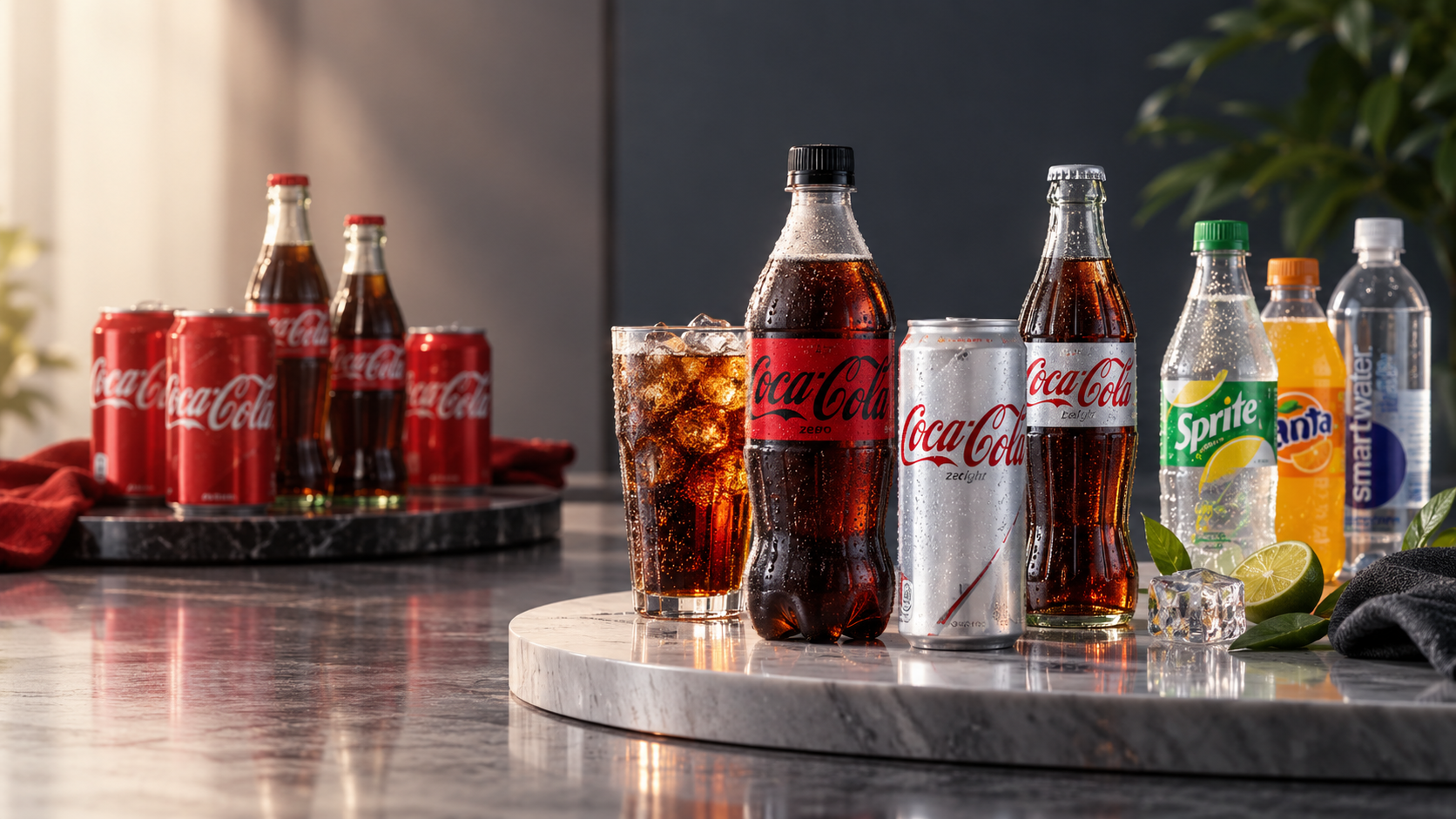
The Netherlands is known as Europe's champion when it comes to drinking sugary soft drinks, while worldwide more and more consumers are moving away from sugared Coca-Cola. Nearly half of all Dutch people over 18 drink a zero variant at least once a month, a clear increase from 41 percent in 2021.
The numbers make the difference clear. A 250 ml can of Coca-Cola contains over 25 grams of sugar, while zero variants contain no sugar at all. It's a difference consumers are increasingly weighing consciously when choosing at the shelf or from the menu.
For hospitality and retail, this shift offers concrete opportunities: higher margins, a broader assortment, and the chance to cater to health-conscious customers. Once you know how to deploy zero soft drinks commercially, selling soft drinks becomes a lot more interesting again — for you, but above all for your customers.
WHAT IS THE SHIFT FROM COCA-COLA TO ZERO VARIANTS?
Since its launch in 2005, Coca-Cola Zero Sugar has grown into the most popular sugar-free variant. Reformulations in 2016 and 2021 refined the taste further and further to get even closer to the original. The result: by 2024, 30% of global volume already consisted of low- or no-calorie drinks. The company now invests 75% of its marketing budget in light and zero variants, expecting sugar-free to overtake sugared cola within two years.
The shift goes beyond the recipe alone. Zero variants use multiple sweeteners, such as aspartame and acesulfame-K, to better approximate the original taste, while light works with a single sweetener. Zero was originally introduced as the masculine counterpart to the 'feminine' light, but today the brand targets younger, health-conscious consumers without a gender focus. And what does that mean for your target audience? It's getting broader by the day.
Since 2026, Coca-Cola Zero Sugar has also sported a striking new package design with white lettering and black accents. Both variants are now presented within one recognisable family, while zero is positioned at the front of the aisles to encourage conscious choices. Retailers benefit directly: buyers of sugar-free purchase more often, because they feel less guilty about their choice.
WHY ZERO SOFT DRINKS REMAIN POPULAR IN 2026
The sugar tax gives zero variants an extra push. Since January 2024, prices of sugary drinks have risen by 9 to 26 cents per litre, while Coca-Cola Zero Sugar has actually become cheaper, with price drops of up to 22 cents. Zero drinks thus offer higher margins at lower purchase costs — a direct financial advantage for both hospitality and retail.
The sales figures confirm the shift. By now, 53% of all drink choices in hospitality are a sugar-free variant, and 80% of Dutch people consciously choose light or zero for the sake of a healthier lifestyle. Pepsi Max already represents 52% of all Pepsi sales, and at Coca-Cola more than half of the sales volume consists of sugar-free or low-calorie drinks. Across all brands and variants, you can count on a category that genuinely sells.
Retailers also benefit from low handling costs and strong added value. Nearly half of zero drinkers see the range in supermarkets growing, confirming that the category is becoming structurally embedded. Well over three-quarters of soft drink consumers consciously watch their sugar intake. This habit is only reinforced further by health campaigns and government policy aimed at calorie reduction. You can count on this demand continuing to grow.
HOW RETAILERS AND HOSPITALITY BUSINESSES USE ZERO VARIANTS SMARTLY
Positioning zero variants smartly starts at the shelf. Supermarkets reserve an average of 20% of shelf space for sugar-free alternatives, while these represent only 9% of volume. That gap shows how much growth potential retailers recognise here. Place sugar-free variants at the side of the shelf, so customers walk past them first before reaching regular soft drinks. That way you steer choice behaviour without customers noticing.
In hospitality, visibility on the menu determines guests' choice behaviour by 65%. Product images capture 10 to 20 times more attention than text alone. So display Coca-Cola Zero Sugar, Fanta Orange Zero and Fuze Tea visually on your menu. And chilled display cases at eye level? They stimulate impulse choices after sports matches or on terraces at exactly the right moment.
And what about mocktails as an extra margin opportunity? Royal Bliss ginger ale combines with mint syrup and lime into alcohol-free cocktails that bring in the same as regular soft drinks. Three sports canteens that sold exclusively zero for a month saved 520 kilos of sugar without any loss of revenue. Margins remain steady at €1.05 to €1.60 per bottle, while smaller 250 ml packages create extra profit margin at comparable unit prices. Vary the assortment with fruit-flavoured zero options and you attract diverse target groups at no extra cost.
CONCLUSION
Zero variants are not a passing trend. More than half of all soft drink sales now consist of sugar-free options, and that share is still growing. Lower purchase costs thanks to the sugar tax, stable margins and a growing group of health-conscious customers make this a category you cannot afford to ignore.
[Company name] delivers quickly and with guaranteed stock, so you can respond to this demand right away. Whether you're looking for Coca-Cola Zero Sugar, Fanta Orange Zero or other sugar-free variants, you've come to the right place. You can always request a quote, free of charge and without obligation. That way you can see for yourself what advantage we can offer you. And you're not tied to anything, because that's how flexible we are. You can truly rely on us.